by Rich Handley | Jun 4, 2020 | News
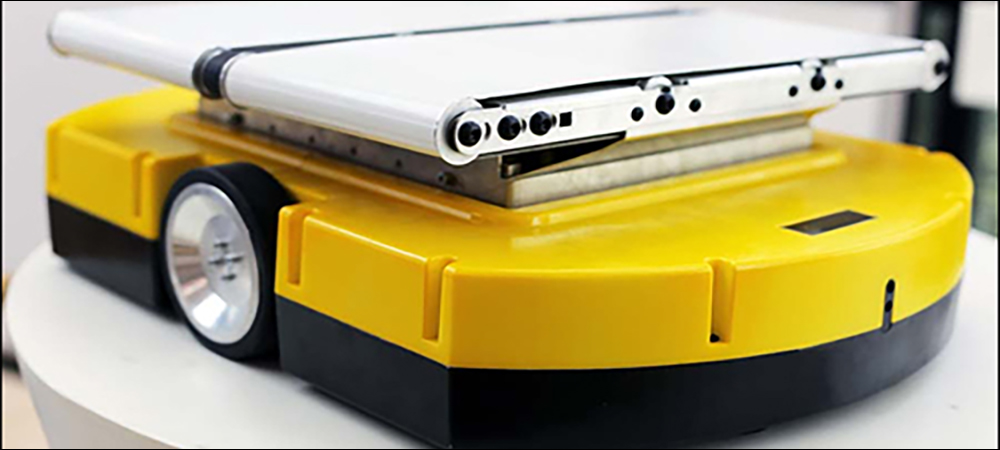
STMicroelectronics extends NFC reader IC portfolio for digital car keys; Apptricity launches mobile app featuring RFID; BehrTech receives Canadian government grant for IoT sensor technologies; Tompkins Robotics intros micro-fulfillment solution for retailers; Thread Group certifies IoT offerings from Silicon Labs, NXP, Nordic Semiconductor, WideSky; Powercast joins the RAIN RFID Alliance.

by Rich Handley | Jun 3, 2020 | Editor's Views
Regulr is giving away its new app to help keep people safe during the pandemic crisis.

by Rich Handley | Jun 3, 2020 | News
The cloud-based system allows pharmaceutical products to be serialized according to a country’s national requirements.

by Rich Handley | Jun 2, 2020 | News
Johnson & Johnson Supply Chain has boosted inventory visibility and efficiency for orthopedic loaner sets, ensuring implants are securely delivered to hospitals when needed and driving down costs for healthcare providers.

by Rich Handley | Jun 1, 2020 | News
A solution from Locix, employing high-bandwidth Wi-Fi technology, is in use by a Japanese facility owned by Prologis to help meet e-commerce demands as one of the applications the company sees being launched to meet post-COVID-19 challenges.

by Rich Handley | May 31, 2020 | Expert Views
Reliable distance control through an integrated warning system enables a reduction of new infections, as well as efficient COVID-19 management, allowing a quick restart of logistics, production and other company processes.

by Rich Handley | May 29, 2020 | News
Technology company Engineering has developed a sensor that warns of unsafe distances between workers in order to prevent coronavirus contagion.

by Rich Handley | May 28, 2020 | News
This week, RFID Journal continued its series of webinars highlighting the Best New Product finalists of 2020.
by Rich Handley | May 27, 2020 | News
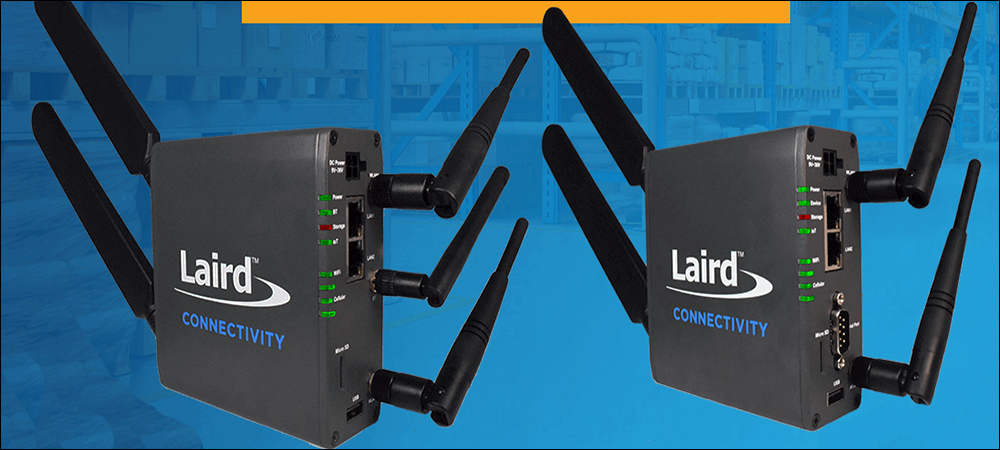
Arrow Electronics, Panasonic Industry, STMicroelectronics offer IoT modules; NFC Forum adopts bi-directional communication between smartphones, IoT devices; ProGlove provides social-distancing sensors for factory floor; Laird Connectivity unveils wireless IoT gateways; Nedap intros BLE-NFC vehicle gate access solution.
by Rich Handley | May 27, 2020 | News
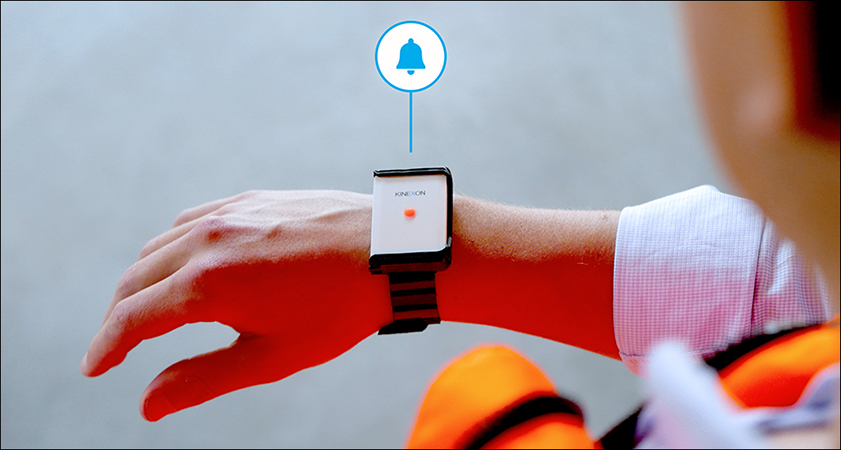
The SafeZone system is a modified version of its proximity-detection solution that will allow companies to provide workers with wristbands so they can adjust their behavior based on alerts if their close proximity to others poses a health risk.