
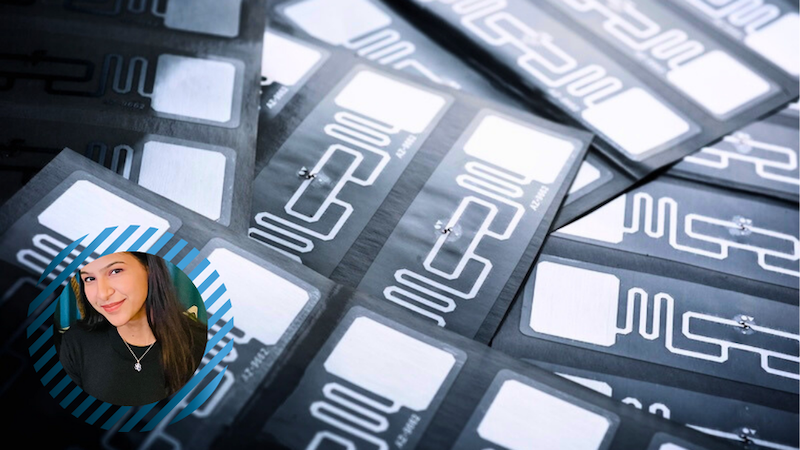
RFID Tags Study 2025, Insights From a 12-Industry Adoption Analysis
In 2025, RFID use hits a turning point. It used to just make tasks easier – now it’s key across fields for visibility, handling threats, plus quick choices. One deep look at 12 sectors using this tech shows better where things are going, also why it matters more every day.
The results suggest RFID isn’t seen as a separate gadget anymore. Rather, it’s getting built right into digital processes, factory setups, or logistical plans. Firms now use it not only to follow goods but also to see how their work runs every few minutes.
That change points to a larger trend – companies leaning less on hand-filled reports, while favoring constant, automatic info instead.
Retail: Inventory Accuracy as the Foundation of Modern Commerce
Retail was quick to use RFID, yet how it’s used now feels different. Instead of just tracking items fast, attention has shifted elsewhere.

The study indicates that retailers are now using RFID to:
- Sharpen demand forecasting
- Strengthen omni-channel fulfillment accuracy
- Shrink losses in top-risk sections by cutting gaps where theft hits hardest
- Improve transparency around returns
RFID helps track inventory live, which matters more now that stores rely on fast service, exact details, and maybe even blend web and physical shopping.
Automotive: Precision Through Enhanced Traceability
Car making needs exactness all through, yet RFID is playing a bigger role in keeping things on track. Research shows that factories are using RFID more to handle parts moving around, link up assembly steps, or watch busy production lines as they happen.
A growing shift? More RFID tags are popping up in electric car part tracking – logging how stuff moves and changes over time matters way more now. So instead of missing mix-ups till later, factory crews spot them fast; plus, they keep tabs on tons of pieces zipping through one plant every hour.
Pharmaceuticals: Protecting Product Integrity
Pharmaceutical supply lines must meet tight safety rules, so RFID is getting more useful these days. The research shows:
- Cold-chain meds use RFID tags with sensors to track temp changes – so info stays up-to-date through delays or detours
- Hospitals rely on RFID so gear stays easy to find when needed
- Supply chain crews rely on RFID – helping them handle paperwork, checks, or rules without hassle
The way this industry adopts tech shows a move toward digital tracking – cutting mistakes, lowering waste, yet keeping things genuine.
Logistics & Warehousing: Higher Throughput Through Automation
Rising order numbers and yet tighter delivery times keep squeezing logistics work. Despite that, RFID use here has jumped – since it boosts speed even without extra staff.
The study identifies several dominant use cases:
- Self-service sign-in or sign-out by truck drivers at storage yard entrances
- A faster way to follow pallets or containers within buildings
- Cycle counts keep going while work runs – no stops needed
- Accurate shipment verification
Warehouse crews notice smoother operations once RFID tags are added to routine tasks – bottlenecks drop, and paperwork holds back less often.
Healthcare: Ensuring Safety in Fast-Moving Environments
Medical centers face sudden patient surges, urgent tasks, or tight safety rules. Because of this, RFID helps track items quickly, where delays aren’t an option.
The study shows that RFID supports:
- Keeping tabs on pricey medical gear
- Better sight into what tools and materials are available during surgery, so things run smoothly when needed
- Sick folks moving through big hospitals
- Fewer things are getting lost or going missing
These upgrades boost preparedness while letting medical staff act more quickly – also with clearer confidence.
Food & Beverage: Traceability as a Core Assurance
Folks gotta keep a close eye on how food’s made and moved— safety’s non-negotiable, rules must be followed. Lately, more are turning to RFID tech around here, especially when it comes to keeping tabs on stuff that needs cold storage or careful treatment along the way.
The research points to three main ways it’s used:
- Making sure you can see what’s happening across different steps of making something
- Handling stock that goes bad quickly
- Finding which batches are involved fast helps with recalls
RFID helps here because people care more about safe food, clear info, or traceability.
Manufacturing: Leaner Operations Through Real-Time Data
The factory world’s turning to RFID to boost speed, cut delays, while improving how stuff moves around. Research shows it’s catching on fast across industries:
- Work-in-progress tracking
- Equipment plus die oversight
- Keeping track of parts during production
- Less paperwork by hand
These trends show a shift – using information to cut waste in how things are made.
Aviation: Lifecycle Tracking and Compliance
In aviation, getting things right matters a lot – along with clear records and staying safe. More places now use RFID when they need to track stuff accurately or confirm details.
The research says RFID’s are mainly used for:
- Keeping tabs on parts that need repair records
- Managing safety-critical equipment
- Improving baggage-handling accuracy
- Streamlining documentation processes
Even though uptake is slower compared to sectors nearby, practical applications grow yearly.
Construction & Infrastructure: Tracking High-Value Assets
Construction firms often struggle to keep track of gear, machines, or supplies at various job locations. Research points to more frequent adoption of RFID technology:
- Locating shared equipment
- Fewer items go missing when people take better care of them
- Tracking material deliveries
- Maintaining responsibility within teams or among contractors
RFID makes things run smoother in busy spots where tracking by hand just doesn’t work well because stuff’s always on the move.
Energy & Utilities: Oversight in Distributed Operations
Energy systems cover vast regions, so tracking stuff gets tricky. Still, more companies use RFID since it shows what’s happening over large spaces.
Typical examples involve situations like these:
- Monitoring gear is put to use out in the field while fixing stuff
- Handling extra parts along with essential machinery
- Monitoring inspection cycles
- Building online records to meet rules
This area gains because RFID works well in far-off or tough spots – so it handles challenges without issue.
A Glimpse Into the Future
In every one of the 12 sectors, the same shift shows up – RFID’s moving beyond backup gear into something key. Firms now see live data as essential, particularly when dealing with scattered teams, fast turnarounds, or worldwide logistics.
The report highlights a growing move toward RFID systems, along with data analysis tools that make sense of massive tracking information.
Here, firms such as Poxo come up for their part in wider studies on how RFID fits into digital supply networks – showing just how the entire setup is changing over time.
With more machines taking over tasks while online systems turn routine, RFID keeps shaping how businesses track items, stay precise, or keep things running smoothly.