Kiss Another RFID Company Goodbye
Solutions providers continue to make the mistake of marketing to the 90 percent of end users on the far side of the adoption chasm.

Solutions providers continue to make the mistake of marketing to the 90 percent of end users on the far side of the adoption chasm.

Solutions providers could shrink the chasm between early adopters and the early majority, by reducing the risk involved in deploying RFID systems.

Hundreds of businesses are expected to participate in a trial, beginning this summer, using NFC RFID DoGood Badges to publicize their community service and charitable donations.
Bluesfest program includes Intellitix RFID solution; Ekahau’s quarterly results indicate healthy growth for RTLS market in 2012; Xerafy secures $5M; Intelleflex announces OEM partnership with DeltaTrak; HID Global unveils manufacturing process for smallest LF Tags, expands Latin American presence; Kathrein intros UHF RFID reader.

After installing AeroScout Wi-Fi-based RFID tags and RTLS software, the company’s French factory is producing 5,000 more tires per day, while decreasing waste of materials by 20 percent.

Two European farms have tested the active RFID animal tags, enabling farmers to track each pig’s health and location, and a number of farmers will soon install them, according to the system’s providers.

With EPC tags attached to various models of shoes and in promotional cards, customers can learn more about a product and redeem prizes, while also recording data about shopping behavior on the premises.

A robust program that could replace CompTIA’s RFID+ courses is important, because it would help the industry to develop the human resources necessary to deploy RFID systems on a grand scale.

This year, RFID will benefit from a trend toward electronics that are more energy-efficient.
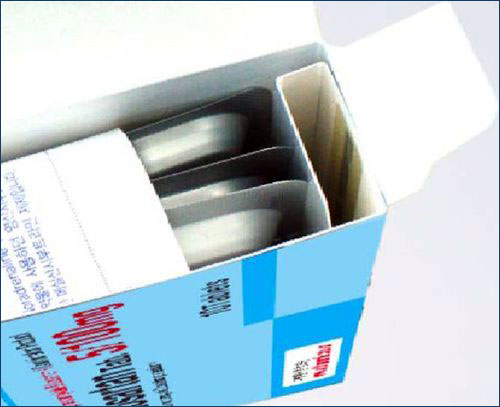
The Korean drugmaker—which has employed EPC tags to track 60 million items annually, and to help it carry out government-mandated price changes—is now expanding the system to wholesalers and drugstores.