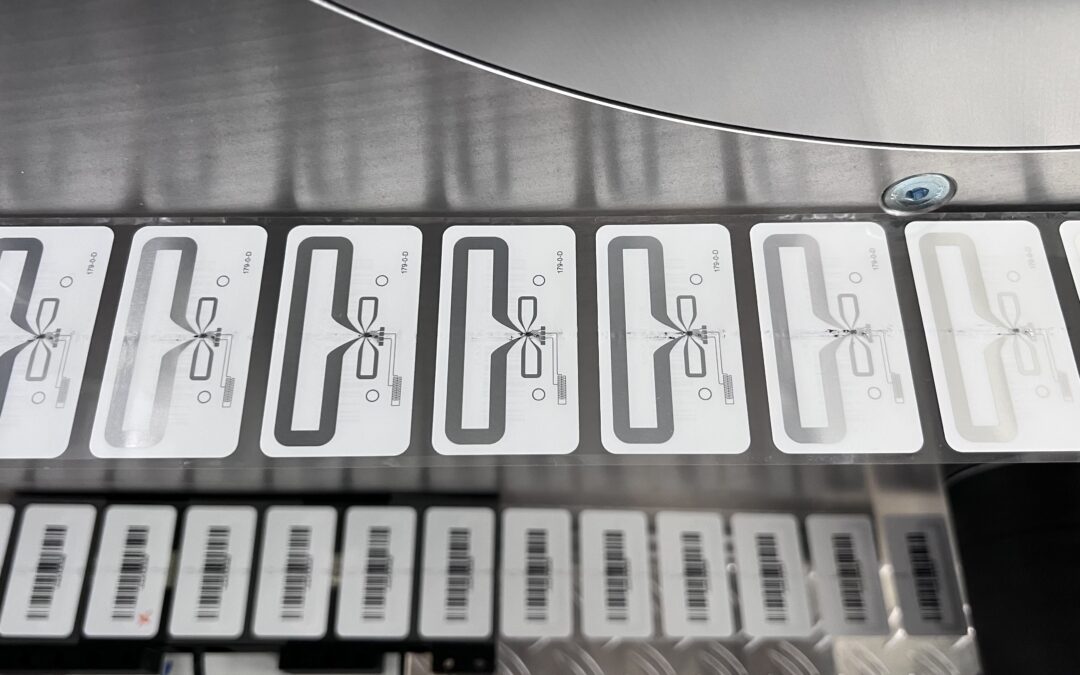
Enterprise mobile devices with embedded RAIN RFID are entering a new phase. For the first time, a growing ecosystem of device manufacturers and chipset providers are bringing RAIN RFID into smartphone-sized handhelds, rugged tablets, and other mobile devices that...
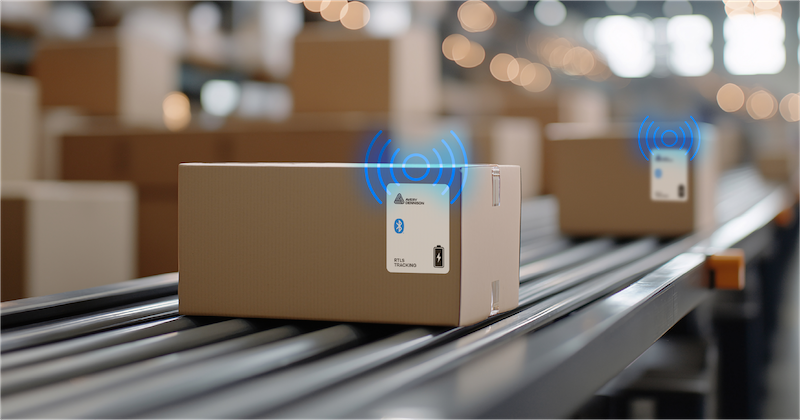
Key Takeaways Avery Dennison introduced AD Visi, a range of active Bluetooth Low Energy labels delivering live location data, tamper alerts and condition monitoring for high-value shipments. The first two products, AD Visi Way and AD Visi Secure, use InPlay’s...
In industries, machines don’t always stop because something has broken, rather a lot of unplanned downtime comes from something far more basic: the material wasn’t even there! At a Tier 1 automotive supplier we worked with, that problem had been building...
Key takeaways Siemens is adding AI-powered chip planning and early design exploration technology to strengthen its EDA portfolio for semiconductor customers. The acquisition is intended to help engineering teams reduce design iterations, improve power-performance-area...
Key Takeaways The RAIN Alliance formed a new working group to remove deployment barriers and promote standards-based use of RAIN RFID sensor systems across industrial IoT and asset management. Members will focus on real-world use cases like pharmaceuticals, food,...
Traceability failures in meat processing rarely begin with a dramatic event. They begin quietly, with a mistyped number, a mislabeled hook, or a carcass that moved between stations without being recorded. On a fast-moving kill floor, where hundreds of carcasses pass a...
Key Takeaways The NFC Forum’s 2026 Technology Roadmap targets an eightfold increase in data transfer speeds, the group’s first-ever NFC Controller Security Profile and post-quantum security protocols across converging markets. Mike McCamon, executive...
Wildfire seasons are becoming longer, more destructive and increasingly difficult to manage. Fire agencies now rely on a growing mix of technologies, including artificial intelligence (AI), drones, satellite imagery and Internet of Things (IoT) sensors, to improve...
Key Takeaways Identiv closed the sale of its IoT assets and brand to Trackonomy, receiving $50 million in preferred equity and rebranding as INVE Technologies. The renamed company will pivot toward a physical AI compliance SaaS business under new interim CEO James...
Key takeaways CISC’s BLE Xplorer gives Wiliot manufacturing partners a standardized way to functionally test IoT Pixels at higher speeds and with 100 percent output validation. The partnership is aimed at accelerating supplier onboarding and increasing global...