
For many local retailers, inventory control feels like a moving target. Stockouts frustrate customers, overstock ties up capital, and shrinkage erodes margins in ways that are hard to trace. Traditional manual counts or periodic audits simply can’t keep up with the pace of modern retail. By the time discrepancies are found, the damage is already done.
Emerging tools like RFID tags, IoT sensors, and vision-enabled cameras are changing that reality. Together, they allow store operators to see what’s happening on their shelves and in their stockrooms in near-real time. Instead of reacting after a loss or shortage occurs, retailers can finally operate from a position of foresight.
RFID has already proven its value in creating reliable, scannable identities for products without the friction of line-of-sight barcodes. For smaller retailers, deploying RFID across key SKUs is increasingly affordable and delivers immediate benefits. IoT devices extend this by automating processes that previously required staff attention: tracking shelf levels, logging misplaced items, and monitoring product movement across zones of a store.
RFID and Sensor-Driven Visibility
Smart shelves with embedded sensors can detect changes instantly, transmitting updates to inventory systems without interruption. That constant stream of data reduces the risk of blind spots and allows businesses to maintain accurate records without pulling staff away from customers.

What makes RFID and sensors so powerful is how they bring structure to an environment that’s naturally chaotic. In grocery or convenience stores, products are constantly moving from delivery trucks to stockrooms, shelves, and finally into customers’ baskets.
Without automation, tracking these micro-movements is nearly impossible. RFID tags and IoT sensors create a digital layer over the physical store, ensuring accuracy doesn’t depend on how quickly or carefully a staff member can count.
Cameras Beyond Surveillance
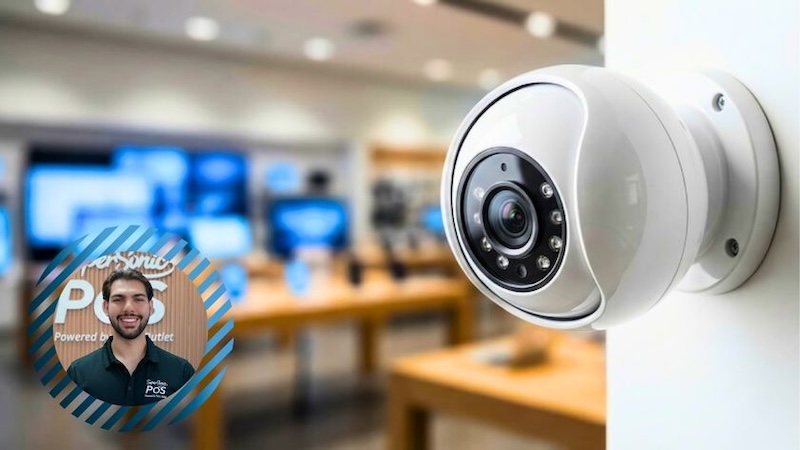
Cameras have long been associated with security, but their role in inventory management is expanding rapidly. When paired with computer vision, cameras can identify products, detect empty shelf space, and even learn behavioral patterns such as where shoppers linger or what items are frequently picked up and returned.
This level of insight provides context that sensors alone cannot deliver. A shelf sensor might register that an item is gone, but a camera can confirm whether it was purchased, misplaced, or potentially stolen. Over time, these systems generate data that helps refine store layout, improve restocking schedules, and strengthen loss prevention strategies.
The Power of Integration
The real value of these technologies emerges when they are integrated rather than used in isolation. IoT devices and RFID feeds deliver transactional accuracy, while cameras contribute situational awareness. Combined, they provide a layered perspective that helps stores operate with confidence.
Integration with point-of-sale systems ensures that data isn’t just recorded but translated into actionable insights. Restocking alerts, anomaly detection, and shrinkage prevention become part of the daily workflow rather than background noise. This convergence reduces human error and lets retailers respond quickly when something looks off.
When data streams converge into a single system, the store shifts from being reactive to predictive. Instead of waiting until the shelf is empty, the system can forecast when inventory will dip based on sales velocity, foot traffic, and even the time of day. This enables managers to schedule staff and orders more efficiently, turning fragmented data into informed decisions that save both time and money.
Challenges that Still Need Solving
None of this is plug-and-play. Cameras must be calibrated to different lighting conditions, people often miss tags, and IoT sensors need ongoing maintenance. Privacy concerns also require serious attention, especially as cameras become more intelligent. And then there’s the question of cost: local stores often have to justify investments by proving ROI in clear terms, like reduced shrinkage or faster restocking.
But with careful pilots and smart scaling, these barriers are manageable. The upside is substantial enough to merit the effort.
There’s the human side to consider as well. Technology is only as good as the people using it. Training staff to trust and interact with these systems is critical, especially when false positives or missed reads occur. Without proper onboarding, even the best tech can create frustration instead of relief. For adoption to succeed, vendors and retailers must invest in staff education and design systems that feel intuitive on the floor.
Looking Ahead
The future of retail inventory will be less about counting what’s on the shelves and more about understanding how products move through space and time. Local stores should not be left behind in that transition. By adopting systems that combine RFID, IoT, and smart cameras, they can access the same level of sophistication that larger chains already enjoy.
Technology should feel like support, not a burden. The next step is to make these tools more intelligent, more adaptive, and more personalized to each store’s rhythm. That’s what we’re working toward, and it’s what I see as the path forward for independent retailers everywhere.
As these systems continue to improve, I expect to see more edge computing at the store level and tighter feedback loops between devices and POS platforms. Instead of relying on centralized servers, data will be processed locally, enabling faster responses to anomalies and reducing dependence on constant internet connections. This shift will make advanced inventory insight tools more accessible to small and mid-sized businesses, leveling the playing field even further.