
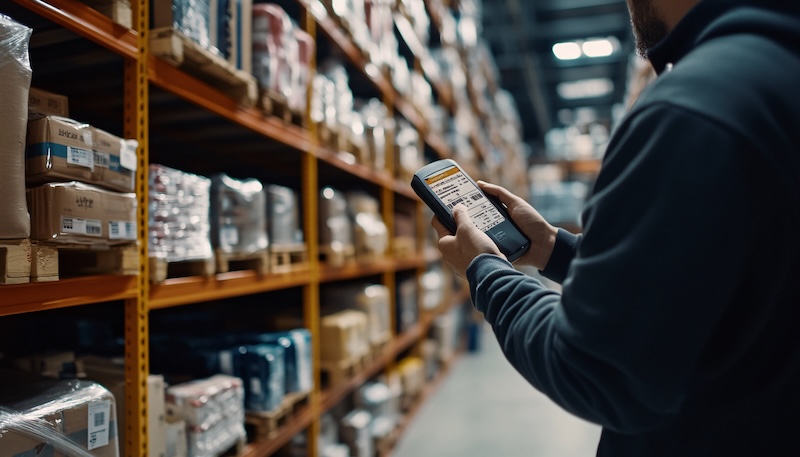
A recent survey of 400 packaging, labels and supply chain leaders conducted found a wide gap between intent and full-scale adoption of connected packaging. While awareness is high, most industry leaders have not implemented smart packaging components and data-driven logistics.
RRD’s 2026 Integrated Packaging Report points to a future where packaging is a data touchpoint, yet implementation across functions is slow.
Over the next one to three years, most respondents plan to definitely or probably transition to smart packaging, which involves integrating a wide range of technologies such as RFID labels, QR codes and other IoT-enabled tools. However, only a narrow segment has begun implementation. Of the few who don’t plan to make the move during that period, half cited concerns that it would be too complex for their IT and/or other infrastructure.
RRD’s Lisa Pruett Comments
According to Lisa Pruett, President, Integrated Packaging, Labels and Supply Chain at RRD, the report shows that “digital transformation is no longer a question of if, but when.”

“In the race to smart packaging, preparedness is the key to success, not merely speed,” said Pruett in a statement. “For most brands, that means implementing connected packaging solutions that merge goals for supply chain transparency, operational efficiency and sustainability.”
AI Impact
As with all other industries, investments in artificial intelligence (AI) within packaging, labels and logistics operations are rapidly maturing, with respondents committing investments in IoT (87%), predictive analytics (85%) and real-time visibility (84%), illustrating heightened focus on operational and data-centric tools.
Respondents additionally noted that e-commerce growth requires optimization. Nearly every survey taker reported that their organization has an e-commerce operation and 80% expect their e-commerce business to grow within the next one to three years. That growth increases the pressure to develop packaging optimized for direct-to-consumer fulfillment that requires robust tracking and smart labeling.
Sustainability as a Core Design Requirement
Th report found that environmental consciousness is an inherent part of design and sourcing strategies. Internal sustainability goals were ranked as the top major motivating factor for packaging changes by 74% of packaging respondents, while nearly half (49%) of overall respondents indicate sustainability and environmental regulations will impact their organization’s operations in the next one to three years.
Al has a role to play as well as when asked how AI is or will be used in operations over the next one to three years, sustainability optimization ranked as the highest priority (62%).
A net 77% of respondents in a packaging role expect their operations to move their company closer to its sustainability goals in the next one to three years, solidifying sustainability as an enduring operational priority. This follows a continuing trend. In last year’s report, 83% of packaging respondents said their organization has moved toward its sustainability goals and 81% said their packaging operations played a role in that progress.
To learn more about RRD’s 2026 Integrated Packaging Report, click here.