
by Admin | May 16, 2013 | News
TracTech Systems unveils new RFID reader for inventorying and tracking jewelry; B-Id announces RFID-enabled display card for a variety of applications; manufacturers point to tracking as RFID’s strong suit, study shows; Intermec opens new design and test facility; Tamarack intros new RFID inlay affixing system.
by Doug | May 15, 2013 | News
The retail-focused Web site incorrectly says Costco believes item-level RFID isn’t viable.
by Doug | May 15, 2013 | News
A new report from Retail Systems Research indicates that greater investment in stores yields a diminishing return, and that the real opportunity is on omni-channel fulfillment—which is precisely why retailers should be investing in RFID.
by Admin | May 15, 2013 | News
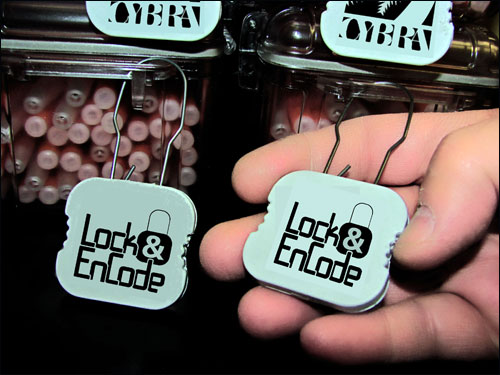
A U.S. importer of fine rugs is using Cybra’s new Lock & EnCode passive UHF RFID seal to identify, authenticate and locate its high-value merchandise.
by Admin | May 14, 2013 | News
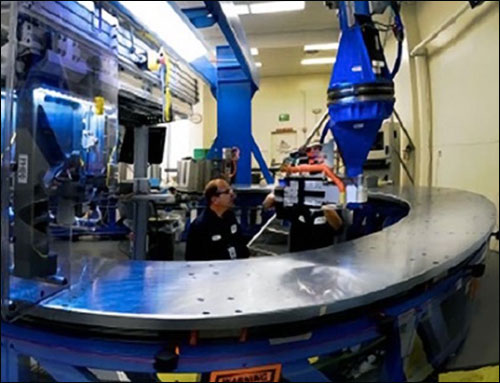
As the company prepares for 12-fold growth, it is using passive UHF RFID tags to monitor the lifespan of composite materials, and to track the production of aircraft parts and the molds used to form them.
by Admin | May 14, 2013 | News
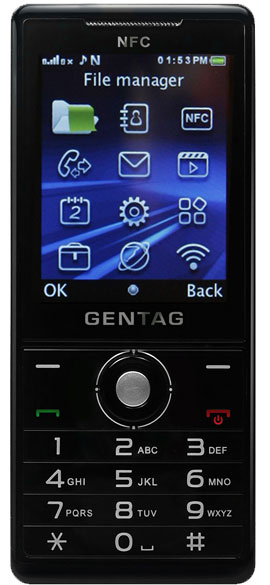
The two companies are launching a product that includes a specially built cell phone and software that enables workers to chronicle their patient visits via system already in use the United Kingdom.
by Admin | May 13, 2013 | News
Keonn Technologies was recognized for the second year in a row for having the coolest demonstration at the RFID Journal LIVE! conference and exhibition.
by Admin | May 13, 2013 | News
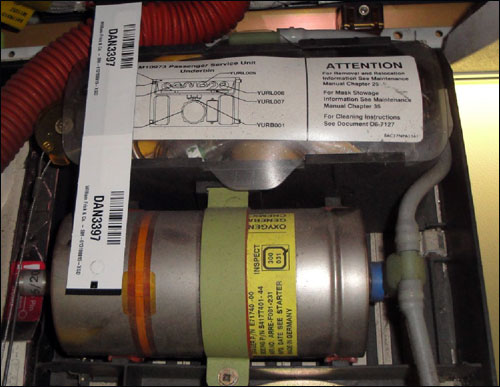
The company is attaching William Frick RFID labels to the generators, and using Motorola handheld readers and AeroCheck software to ensure the units don’t expire and are not discarded prematurely.

by Admin | May 13, 2013 | Editor's Views
Early adopters conducted many tests to prove that it does, which means companies considering the technology can focus on the business benefits it will likely deliver.

by Admin | May 12, 2013 | Expert Views
Every RFID project needs a blueprint that details software components, interfaces and other issues.