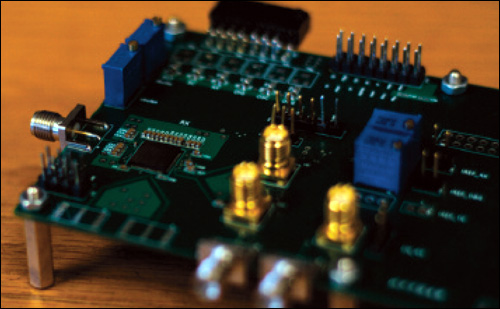
Reducing Roadside Construction Accidents
Volvo CE and the Integrated Innovation Institute at Carnegie Mellon collaborated to develop a system that uses RFID to save workers’ lives.

Volvo CE and the Integrated Innovation Institute at Carnegie Mellon collaborated to develop a system that uses RFID to save workers’ lives.
Monitoring patients in real time can improve services and safety, increase operational efficiencies and boost a hospital’s reputation.

With an increasing focus on customer services, airlines and airports turn to RFID to improve baggage handling and reduce flying-related hassles.

RFID will revolutionize the way organizations meet government regulations.
Invengo Technology announces new channel partner program ••• Stanley Healthcare unveils new Emergency Call products for senior communities ••• Nano Dimension debuts silver nanoparticle inks for printed electronics, including RFID ••• RFID market tops $10 billion in 2015, IDTechEx Research estimates ••• ThingMagic readers add support for Gen2v2 security functions ••• Global RFID blood-monitoring systems market to top $500 billion by 2022.

A new table tennis net with special vibration-detecting nanosensors is able to keep track of players’ scores during a match automatically.
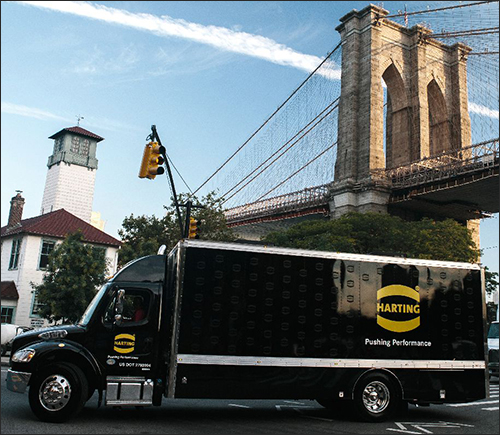
As it visits hundreds of potential and existing customers across the U.S. and Canada, the 33-foot-long vehicle uses RFID technology to help viewers learn more about the company’s products.

For gas companies in Mexico, the process of refilling a customer’s liquefied petroleum gas tanks is a guessing game. A startup called Nube plans to use IoT technology to change that.
As sophisticated as artificial intelligence is getting, computers still can’t interpret what’s happening in the real world—unless auto-ID systems feed them the data they need.

Successful organizations must be able to securely manage ever-evolving devices and connected things, as well as the billions of relationships between these devices, their users and digital services that come with the IoT.