
RFID Replenishment Solutions for Medical Supplies
Here’s how to develop a business case for tracking high-value or low-cost items in hospitals.

Here’s how to develop a business case for tracking high-value or low-cost items in hospitals.
It remains to be seen whether the many recent acquisitions will turn out to be good news for end users and shareholders.

The technology’s adoption is picking up in the retail apparel and nonapparel sectors.
Changing customer behavior is forcing companies to address operational issues related to omnichannel retailing.
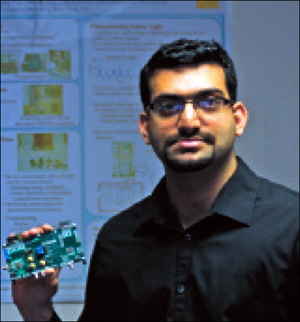
Tiny RFID transponders embedded in individual pills could help reduce counterfeiting of high-price drugs.
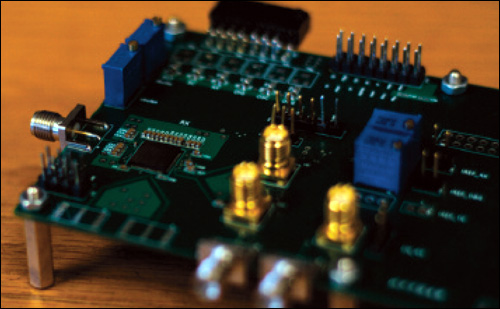
A scientist for a nonprofit and a researcher at MIT have created a low-cost device that could free up health workers to care for patients.
Now it’s easy and economical for companies to monitor the condition of their assets, products, buildings and machinery in any environment.

Department and specialty retailers now see the value in RFID-tagging and tracking a wide range of items, including cosmetics, electronics, furniture, homeware, office products and sporting goods.

Now is a good time for small businesses and nonprofits to use the technology to manage inventory and improve efficiencies. Here are the issues to consider for a successful deployment.

To reduce the risk of a hack, a company needs to look at all the ways data is collected, analyzed and shared, and how devices can be accessed, controlled and managed.