by Admin | Feb 11, 2016 | News
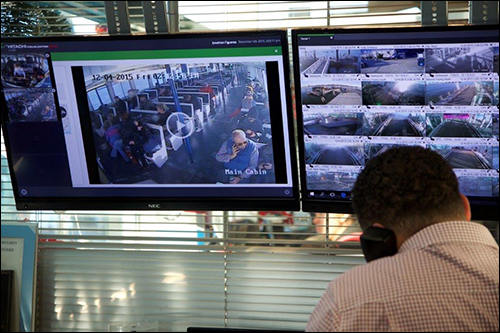
Using an updated, IP-based surveillance system with gateways that aggregate and transmit multiple data streams to a cloud-based platform, the transit provider hopes to improve its fleet safety and communications capabilities.
by Admin | Feb 11, 2016 | News
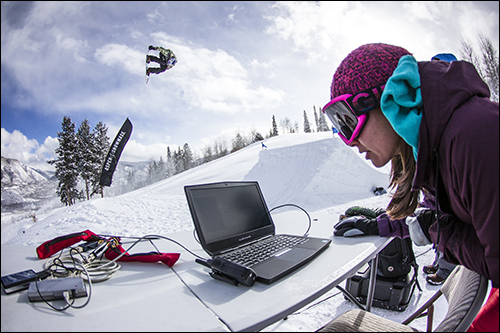
At last month’s competition in Aspen, Intel mounted wireless sensor modules to slopestyle and big-air competitors’ snowboards in an attempt to quantify awesome.
by Admin | Feb 10, 2016 | News
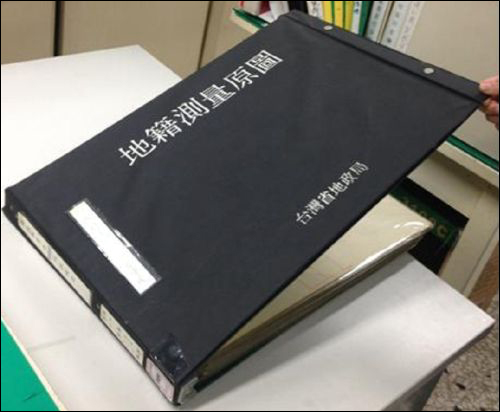
Taiwan’s National Land Surveying and Mapping Center has gained visibility into each of its 200,000 maps so that they can be accessed by individuals who need to borrow or copy them.

by Admin | Feb 10, 2016 | Editor's Views
At the winter X Games, Intel mounted a wireless sensor module to slopestyle and big-air competitors’ snowboards in an attempt to quantify awesome. I’m a fan.
by Admin | Feb 10, 2016 | News
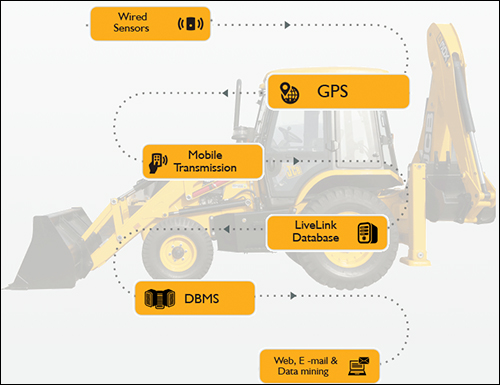
After integrating a telematics system into its construction equipment and offering a subscription service to help fleet owners manage the vehicles, the company has seen an uptick in service work.

by Admin | Feb 9, 2016 | News
The Barcelona firm expects to provide the newest version of its motorized StockBot to retailers for long-term pilots later this year, to count inventory by reading RFID tags.
by Admin | Feb 9, 2016 | News
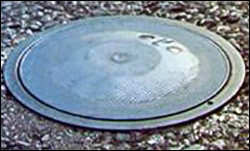
The English city of Westminster is using technology provided by Smart Parking to identify when unauthorized vehicles are parked in spaces reserved for specific motorists with disabilities.

by Admin | Feb 9, 2016 | Expert Views
A commercial tagging company can ensure that the most labor-intensive element of an RFID deployment is completed on time and on budget.

by Admin | Feb 8, 2016 | News
The firm has ordered millions of eSeal bottle enclosures to manage the bottling and shipping of products, with long-term plans to track them throughout the supply chain.
by Admin | Feb 8, 2016 | News
Study says American manufactures need to up their IoT game; Miami Heat players wearing wearables; researchers exploit security holes in IP video camera; IoT will aid government spies, says report; KotahiNet launches low-power network in New Zealand; McObject upgrades database-management software.