by Admin | Jul 3, 2018 | News
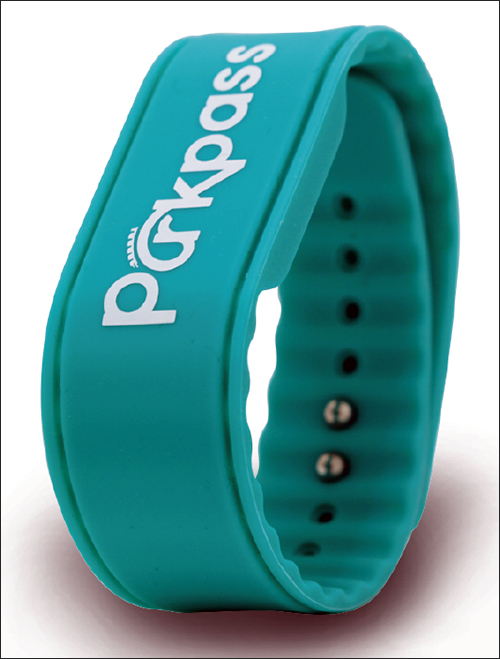
Montreal-based NFC solutions company Connect&GO is marketing a system for parks and festivals that offers an à la carte solution featuring a single cloud-based platform to allow attendees to access the site, purchase snacks, or use games and photo booths.

by Admin | Jul 2, 2018 | Editor's Views
The key to success for RFID marketing is to focus on those actively seeking to invest in RFID solutions.
by s9800078 | Jul 2, 2018 | News
NULL
by Admin | Jul 2, 2018 | News
RFID Journal announced today that Stora Enso Intelligent Packaging will be the cornerstone sponsor for its 14th annual conference and exhibition in Europe, to be held on Nov. 7, in London, England.

by Admin | Jul 1, 2018 | Expert Views
The adoption of an Internet of Things platform can allow hospitals and pharmacies to keep patients safe and avoid fines.

by Admin | Jun 29, 2018 | News
The company is offering its Savanna Location Engine with a portfolio of MotionWorks solutions so that large enterprises can integrate location data from multiple systems on a single platform, while Zebra’s new fixed readers aim at manufacturing and retail point-of-sale use cases.

by s9800078 | Jun 28, 2018 | News
NULL

by s9800078 | Jun 28, 2018 | News
NULL
by Admin | Jun 28, 2018 | News
Feig Electronics intros UHF RFID reader for tracking people, assets ••• Teslonix, CISC Semiconductor partner on IoT and RFID reader and test solutions ••• Nordic Semiconductor validates LitePoint for over-the-air BLE device testing ••• Smartrac expands RFID operations ••• IntelliGuard announces contract to support Prodigy Health’s onsite stocking program ••• Industrial Internet Consortium publishes ‘Data Edition’ of the Journal of Innovation.

by Admin | Jun 27, 2018 | Expert Views
The Internet of Things has the promise of surviving and thriving in today’s complex and volatile environments when systemic root-causes are considered.