
Protecting the Food Supply
Greater regulation might be required to protect the food supply, and if the government takes the initiative to encourage the use of RFID technology, it would ease the pain of compliance.

Greater regulation might be required to protect the food supply, and if the government takes the initiative to encourage the use of RFID technology, it would ease the pain of compliance.

Companies should keep an open mind about RFID applications.

Logistics providers—the link between manufacturers and retailers—are figuring out how to use RFID to share data among trucking, shipping and air cargo carriers. The value to customers is being able to use real-time information to make smart business decisions.
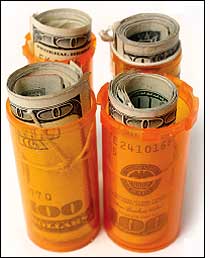
A recent report spotlights the high cost of implementing drug pedigrees, but there is a way forward.

Navistar Defense is using an RFID-enabled real-time locating system to track the assembly process of the armored vehicles it produces, which are designed to protect troops from bombs.
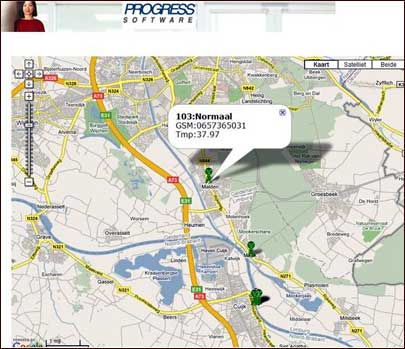
Organizers of the Netherlands’ Four Day Marches are using RFID-enabled sensor pills to monitor the risk of heat sickness, with help from a firm that is developing an application for analyzing athletes’ temperature and location in real time.

In the short term, companies could use a transponder ID written to every microchip to ensure the authenticity of an EPC tag.

While Google is great at finding written or recorded information, it can’t deliver when it comes to real-time, real-life events. RFID could change that.

Portugal is taking advantage of a global RFID standard to bring benefits to its government and travelers entering the country.