
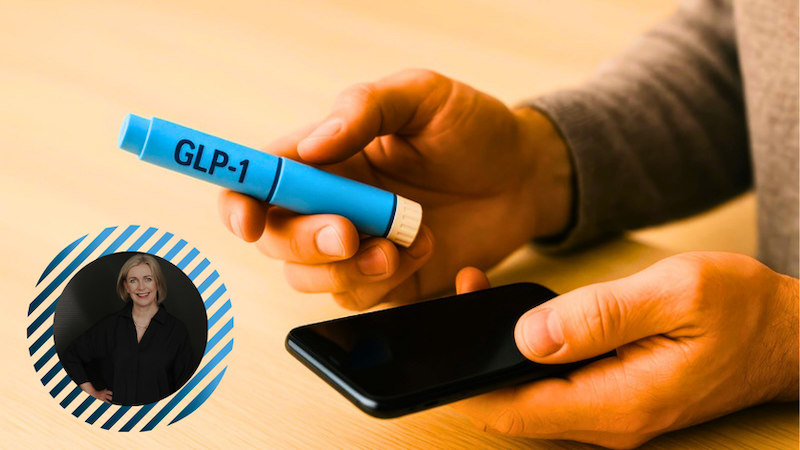
Glucagon-Like Peptide-1 (GLP-1) receptor agonists are a class of medicines that are utilized to support the treatment of diabetes and, increasingly, weight loss and other similar medical needs.
Licensed versions of these medicines are sold under brand names including Wegovy, Ozempic and Mounjaro, each of which has undergone rigid scrutiny by official regulators to ensure that they are safe for use.
However, as these therapies have become increasingly popular, counterfeit versions have begun to infiltrate the supply chain – many of which are unregulated, untested and unsafe. In 2025, the United Kingdom’s dedicated regulator, the Medicines and Healthcare products Regulatory Agency (MRHA), carried out the world’s largest seizure of unlicensed weight-loss medicines, uncovering a factory making injection pens that were labelled as containing the key ingredient in Mounjaro. The World Health Organization (WHO) estimates that the counterfeit drug market is worth up to $400 billion a year.
Battling Counterfeit Drugs
The risk of counterfeit drugs entering the marketplace is off the charts. This poses a clear and present danger to the health of patients – with potentially life-threatening implications. There is also the threat of reputational damage for the brands producing authentic medication if someone has an adverse reaction to a counterfeit version, as well as for pharmacists that may unknowingly distribute counterfeit medicines if they accidentally enter the supply chain.

A tangible, accessible, and infallible record of authentication for each product is therefore essential to protect the entire pharma value chain from the harm of counterfeiting.
Tracking and Authenticating Every Dose
Pharmaceutical manufacturers need to be able to track every dose of medication that enters their supply chain, as it moves from the factory right through to the hands of consumers. Using RAIN RFID technology, every item on the production line can be issued with a Unique Item Identifier (UII), stored on the product itself using a RAIN tag.
These tags enable stakeholders throughout the supply chain to scan GLP-1 pens, medicine vials or pill packs and see its journey so far, with irrefutable proof that it is a genuine medication. Embedding a RAIN tag will also allow each batch to be cross referenced against the manufacturers database quickly and easily. Any duplicate or unknown UIIs are immediately identified, meaning that they can be quickly and efficiently removed from the supply chain before ever reaching a pharmacy. For extra peace of mind, pharmacists can also scan RAIN-tagged medicine before prescribing a drug to a patient as a final validation that the medicine they receive is authentic.
With RAIN reader integration on smartphones also well under development, soon every patient with a smartphone will also have the capability to authenticate their medication before they take it.
Streamlining the Supply Chain
Beyond authentication, tagging medication with RAIN RFID can also transform operational efficiency. Using the same RAIN tags in place to prevent counterfeit drugs entering the supply chain, stakeholders can scan entire pallets or cases of medication from range and at speed. This eliminates the need for manual barcode checks, in turn significantly reducing labour costs.
Furthermore, these scans can provide regular real-time data to manufacturers and distributors, providing complete visibility of inventory across their entire supply chain helping them balance supply with demand and prevent shortages. Pharmacies also stand to benefit, with stock takes and reordering becoming faster and more accurate.
Next Generation Pharmaceuticals
The GLP-1 counterfeiting scandal has highlighted the risk of counterfeit products and the need to control the supply chain. Pharmaceutical companies must protect their products, and pharmacies must be able to make safe purchasing decisions. RAIN RFID provides the tamperproof solution that the pharmaceutical industry needs.
Like anything in the healthcare and pharmaceutical space, deploying RAIN RFID technology in these environments requires careful consideration. Some medical devices may use metal components that can impact the performance of RAIN RFID, and accordingly require innovative specialised form factors. Other medications may require storage at specific temperatures to avoid denaturing the active ingredients, and so RAIN tags that enable continuous monitoring help make sure that any medicines prescribed to patients are still viable.
Such innovations are helping advance the pharmaceutical industry. The next generation of smart packaging is set to deliver complete transparency from the factory floor right through to the patient’s hands. In doing so, it is helping ensure that each dose is legitimate, viable and safe.