
Lessons From Air Safety
RFID could be the food supply chain’s equivalent of the flight data recorder.

RFID could be the food supply chain’s equivalent of the flight data recorder.

Innovative RFID applications can deliver more benefits and a faster ROI.

The eSpring system uses passive 125 kHz tags to track usage and determine when a unit’s carbon filter and UV lamp need to be replaced.
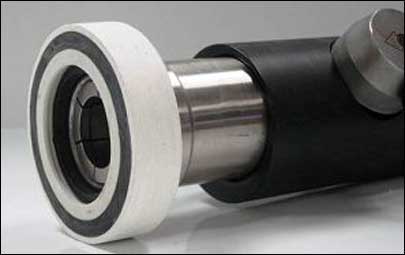
The system uses passive low-frequency tags and readers to verify that a vehicle’s fuel cylinders meet safety and inspection standards, thereby reducing the risk of explosion.
TOP Food & Drug, a grocery chain in Washington state with 18 locations, has implemented an innovative RFID-based payment and identification program that it believes will increase customer loyalty to its stores.
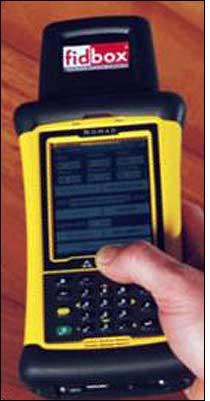
The semi-passive UHF tags contain temperature and humidity sensors that can verify the flooring was properly installed and maintained.
The recent partnership between startup battery maker Blue Spark Technologies and leading RFID chip and inlay producer UPM Raflatac could be a catalyst for the commercialization of battery-assisted passive RFID technology.
China Construction Bank is using EPC Gen 2 tags to monitor servers at its data center, while the Bank of China is employing active 433 MHz tags to identify the arrival of cashboxes and important clients at its branches.