
Tennessee Hospital Tracks High-Value Items
WaveMark’s cabinets enable Memorial Hospital, in Chattanooga, to track thousands of implantable and surgical devices, and to ensure patients are properly billed for those items.

WaveMark’s cabinets enable Memorial Hospital, in Chattanooga, to track thousands of implantable and surgical devices, and to ensure patients are properly billed for those items.
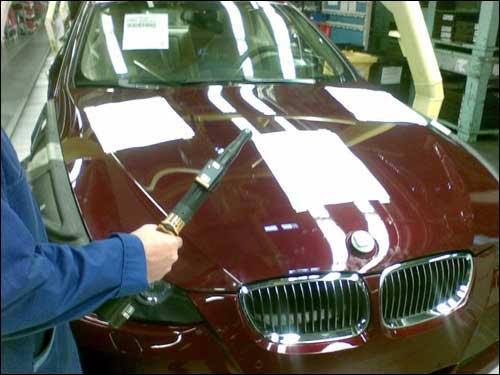
At its Regensburg assembly plant, the automaker is using RFID to identify cars and control the tools used to assemble them.
The online seminars will provide a more robust program than traditional webinars, with end-user speakers and technology providers participating in each event.
Invengo’s XCRF-860E fixed RFID reader supports Wi-Fi, GPRS and Bluetooth wireless communications, allowing users to install it in areas without access to an Ethernet connection.
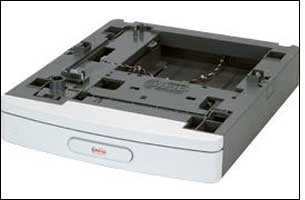
Thanks to the newly RFID-enabled Lexmark T654 laser printer, the Wichita-based company expects to further streamline the way in which it tracks the items it tempers, plates, paints or peens.

Growing demand for the company’s passive EPC Gen 2 RFID tags has led Omni-ID to establish a manufacturing subsidiary in Qingdao, in order to keep up with orders.

Rather than asking end users to believe the technology will deliver value, the RFID industry needs to provide data enabling them to quantify the benefits.
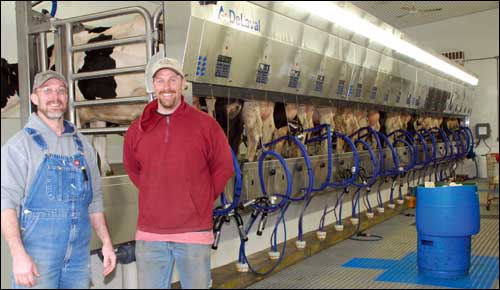
From the United States to Europe, Australia and New Zealand, governments are encouraging—some even mandating—the use of RFID to track livestock, so animals can be identified quickly in the event of a food recall or disease outbreak. But even without mandates, some farmers are adopting the technology because it delivers internal business benefits.

Moving from pieces and parts systems to packaged solutions can help end users achieve a faster ROI—and accelerate RFID adoption.