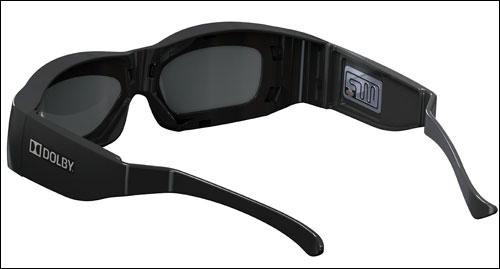
Makers of 3-D Glasses Focus on RFID
Dolby and Xpand are each releasing 3-D glasses with RFID tags that companies can use to track production and shipment, and also to help cinemas track inventory, sanitization and usage.

Dolby and Xpand are each releasing 3-D glasses with RFID tags that companies can use to track production and shipment, and also to help cinemas track inventory, sanitization and usage.

An upcoming meeting will explore the possibility of assigning the 915 to 921 MHz RF band for RFID applications.
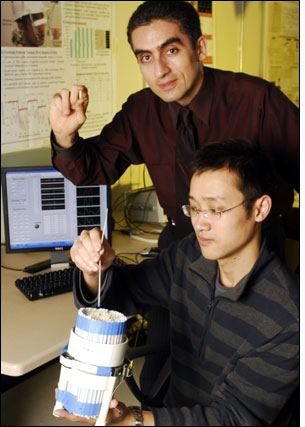
A new system called MagneTrace tracks pills as they’re swallowed.

Japan’s Tagged World uses RFID to track occupants’ activities, to reduce the chance they will leave a door unlocked, forget their wallets or lose their keys.

Filters on fixed and handheld readers ensure data accuracy, providing retailers with real-time inventory visibility.

A crypto algorithm embedded in an EPC Gen 2 tag could thwart counterfeiters and ensure only supply-chain partners have access to business information.

What the not-so-sudden success of Near-Field Communication tells us about the future of other RFID technologies.

The continued evolution of radio frequency identification hardware, software and standards is taking much of the complexity—and risk—out of deploying the technology.
Whether you’re just considering RFID or expanding a current project, it’s now easier, faster and more cost-effective to deploy the technology—and achieve powerful benefits.