Academia Sheds New Light on RFID
As students learn about the technology, they bring fresh ideas for using it to improve the way companies operate.

As students learn about the technology, they bring fresh ideas for using it to improve the way companies operate.

Google searches indicate interest in the technology is ebbing, but the truth is more complex.
The technology has matured and is starting to gain traction. But progress remains slow—at least for now.
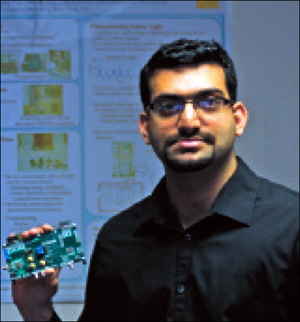
U.K. researchers have developed a low-cost antenna that performs about as well as metal ones used in today’s RFID tags.
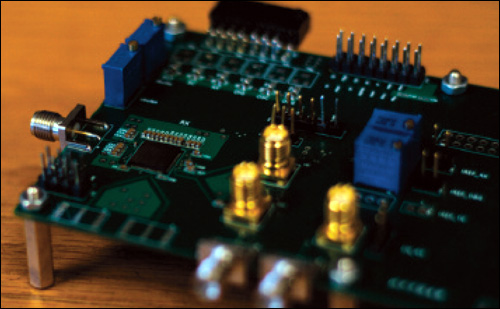
Finnish researchers have developed a passive RF sensor that can detect when food items have gone bad.

RFID Journal recognizes projects with RFID Journal Awards so other companies can learn from them.
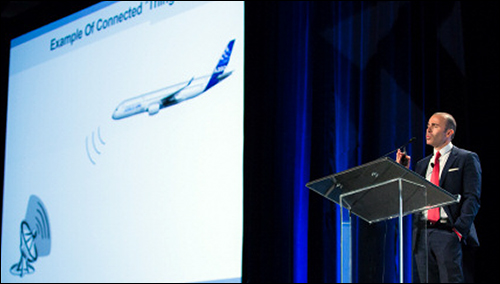
Carlo Nizam realized his vision to use the technology to improve efficiencies within Airbus and across the airplane maker’s value chain.
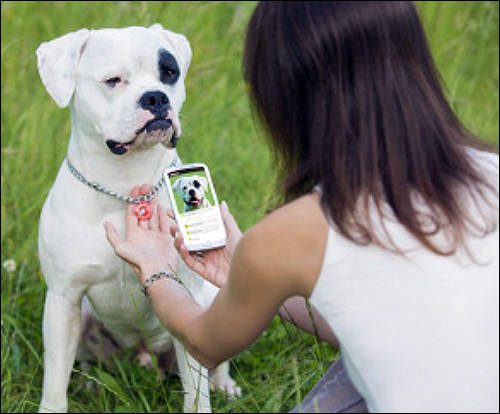
Skoubee developed a digital medal that can be read with a smartphone, making it easy to locate the owner of a missing dog or cat.
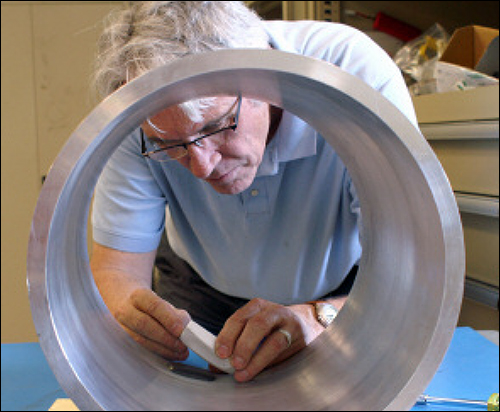
RFID temperature sensors could make the International Space Station’s Urine Processor Assembly more efficient, potentially saving millions of dollars annually.
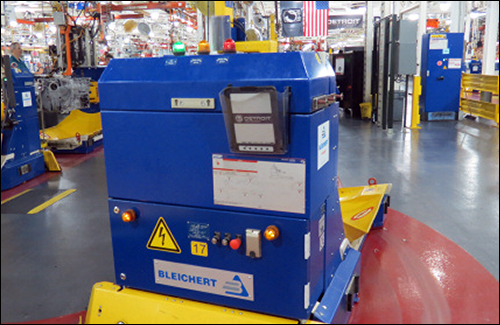
The engine maker replaced reams of paper with visual tags to reduce waste.