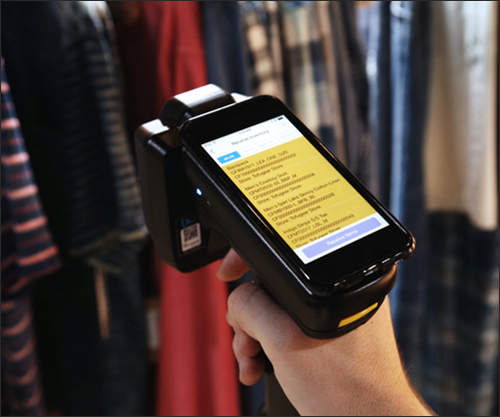
The IoT Weaves Service, Marketing and Inventory at House of Blue Jeans
A small retail store in The Netherlands is using a range of technologies to help shoppers find what they’re looking for—and have fun doing so.

A small retail store in The Netherlands is using a range of technologies to help shoppers find what they’re looking for—and have fun doing so.

The Type 5 Tag Operation Specification provides a standardized way for NFC-enabled devices to read ISO 15693 tags, and also to write NFC Data Exchange Format messages to the tags, enabling greater functionality.
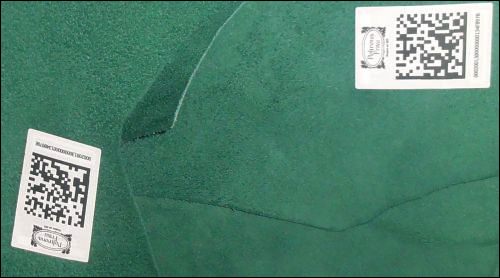
The Italian luxury furniture company is having its suppliers attach a passive UHF tag to each piece of leather so that it can expedite the receipt of leather upholstery material, as well as its inventory-taking process.

Waiting in line—during rush hour on the highway, in grocery store queues or at the DMV—ranks right up there with death and taxes. It’s inevitable. But retailers are using the IoT to shorten shoppers’ wait times while also gaining insights into their interests and needs.
The University of Lodz has adopted the SmartUni app, which enables its 1,200 international students to better understand their surroundings and receive updates, announcements and schedules based on their location on campus.
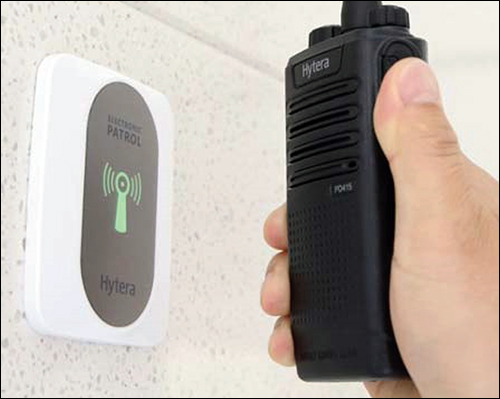
Hytera’s PD415 radio and Patrol Management software enable companies to track where their workers are, and when, by having employees tap the handset against tags mounted at work sites.

In accordance with German automotive Industry 4.0 initiatives, the company currently receives RFID-tagged prototype parts from more than 150 suppliers for its Volkswagen, Porsche and Audi brands.

End users and solution providers that aren’t prepared for a faster pace of adoption will lose customers to competitors.
Amazon Web Services announces IoT platform; Wipro joins Georgia Tech’s IoT research center; Acuity Brands Lighting, Silver Spring Networks partner on smart lighting platform; Digi gobbles up bluenica.
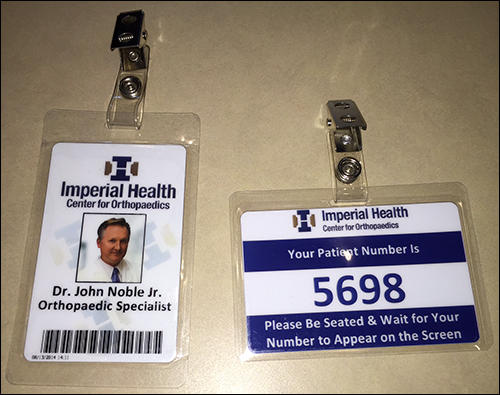
The solution employs RFID technology provided by Barcoding Inc. to identify which patient a physician is examining, and automatically pull up that patient’s records, as well as transcribes patient-physician conversations.