by Admin | Jan 16, 2016 | News
Airbus, Marks & Spencer, and Vail Resorts will discuss RFID’s past, present and future at RFID Journal’s 14th annual LIVE! conference, to be held on May 3-5, in Orlando, Fla.
by Admin | Jan 15, 2016 | News
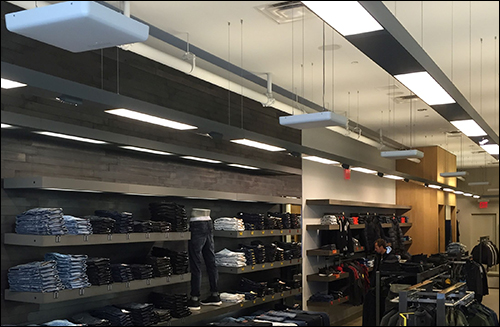
The technology tracks the locations of goods in real time, and is used for inventory, point-of-sale and electronic article surveillance applications, as well as for a customer-facing touchscreen.
by Admin | Jan 15, 2016 | News
Ericsson announces new IoT-focused products; Sensoria updates sensor module, rolls out new features; Lux Research spotlights power-sipping sensors; ZigBee Alliance and Thread expand collaborations; new IoT chips from RFaxis; Gimbal and Couchbase enable cellular-free apps.
by Admin | Jan 15, 2016 | News
The companies will join an end-user panel discussing RFID’s past, present and future at RFID Journal’s 14th annual LIVE! conference, to be held on May 3-5, in Orlando.
by Admin | Jan 14, 2016 | News
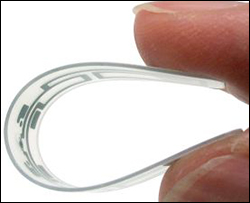
Checkpoint Systems intros Sense + Respond solution based on Microsoft Azure ••• Invengo acquires stake in ATID ••• Mojix offers OmniSenseRF inventory service for retailers ••• German retailer Gerry Weber selects Tyco Retail Solutions’ TrueVUE software ••• Fujitsu launches UHF RFID tags for fashion apparel, accessories ••• Nedap unveils high-end UHF RFID solution for vehicle identification ••• FAA publishes draft revised advisory for use of RFID on aviation products, equipment.
by Admin | Jan 14, 2016 | News
HaLow’s long transmission distance and low power requirements could make it an attractive wireless protocol for active RFID tags and other industrial IoT applications, but Wi-Fi access points that support the protocol won’t be commercially available for a few more years.

by Admin | Jan 13, 2016 | News
HaLow’s long transmission distance and low power requirement could make it an attractive protocol for both commercial and industrial IoT networks, but devices that use the wireless protocol won’t be commercially available for a few more years.

by Admin | Jan 13, 2016 | News
At last year’s conference site, an EPC UHF RFID system confirmed the identity of each of the 60,000 attendees.
by Doug | Jan 13, 2016 | News
A travel agent called to tell me he was representing RFID Journal LIVE! and offered to help me get a room at a lower price than the organizer could deliver.
by Admin | Jan 12, 2016 | News
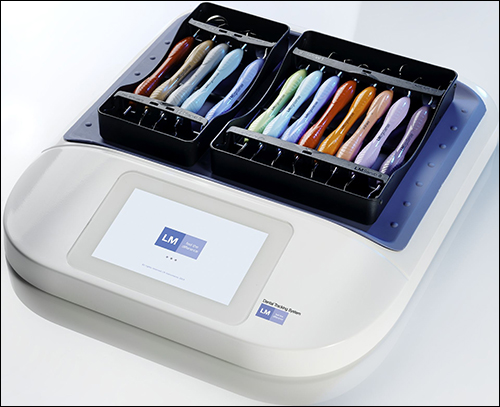
The school’s clinic is using passive UHF tags to manage the dental tool kits it loans to students, and to track the instruments during subsequent sterilization.