
Man and Machine Collaborating on the Factory Floor: A Nightmare or a Match Made in Heaven?
Whenever mankind works together with machinery, new methods are needed to cater to human unpredictability—and to ensure that robots can anticipate it.

Whenever mankind works together with machinery, new methods are needed to cater to human unpredictability—and to ensure that robots can anticipate it.
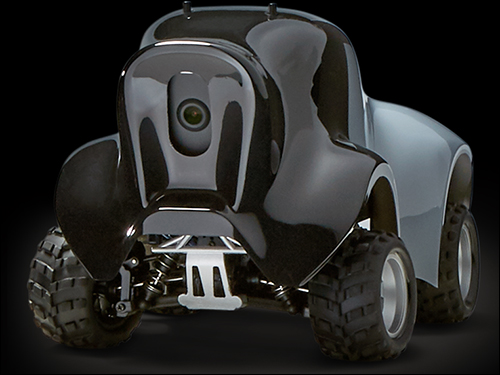
College of Charleston attendees teamed with Internet of Things company Logicalis to fine-tune a set of reinforced-learning tools that enable a vehicle, using wireless connectivity to a laptop or tablet, to learn its own route and respond with appropriate speed and direction settings.
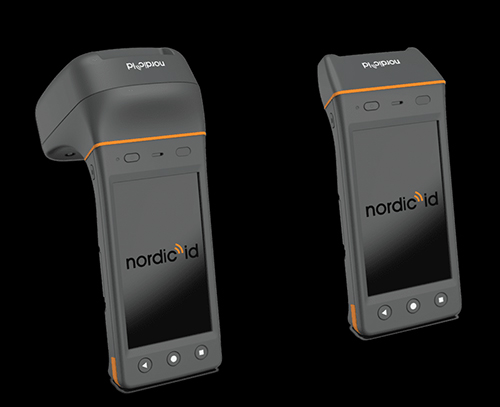
SML unveils item-level RFID tagging and software package; Nordic ID intros RFID reader, IoT platform; Silicon Labs, Allegion collaborate on IoT security solutions; VMware announces new features for its Pulse IoT Center; NFC Forum to host event in China; Festicket acquires Event Genius and Ticket Arena; SensThys offers new RFID antennas; Nedap launches RFID Loss Prevention Academy.
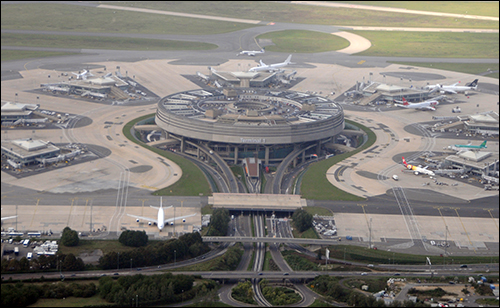
French tag company Paragon ID has developed its first RFID baggage label as part of a three-year contract with Air France, to enable automated baggage tracking at Charles de Gaulle Airport by 2020.
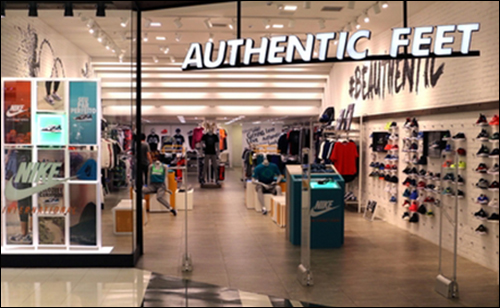
The sports shoe manufacturer ships products with radio frequency identification tags already attached, which has automated 60 percent of the store’s inventory management.
The two companies say they hope to drive visibility and data-driven decision making in the industrial sector.

Businesses are assessing how to automate their current processes and incorporate a digital transformation strategy that will evolve their business models and create new revenue streams.
The company’s new Internet of Things tools are intended to accelerate the development of smart-building solutions based on LoRa devices and the LoRaWAN protocol.
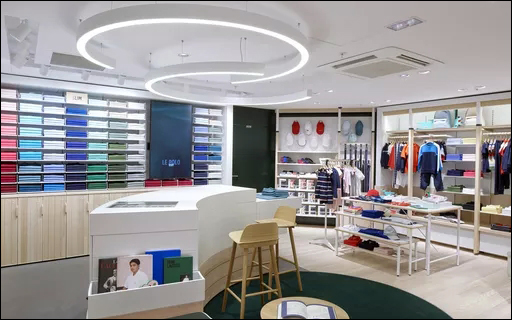
The company uses RFID to locate goods, as well as prevent unauthorized exits and product misplacements, in its new Le Club store concept.
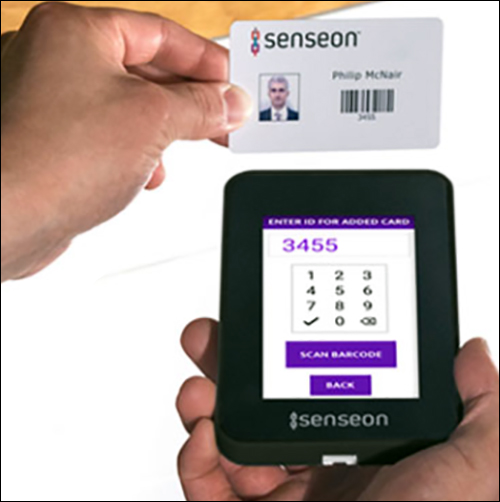
Accuride’s Senseon Plus, designed for use by pharmacies, hospitals, veterinarians and retailers, allows companies to automate the locking and unlocking of cabinets, as well as control who accesses them and when.