
by Admin | Oct 16, 2019 | News
The European EPC Competence Center’s latest annual report addresses the functionality of a widening variety of UHF RFID tags that can come with impedance-based sensors, high memory, greater sensitivity, more security and improved sustainability.

by Admin | Oct 16, 2019 | Expert Views
From maintenance mobilization to repair completion, inventory control and safety, there are many reasons to embrace both technologies in your operations.
by Admin | Oct 15, 2019 | News
A Special Super-Saver rate is available on Conference Passes to RFID Journal’s 18th annual conference and exhibition, which will be held on Apr. 28-30 at the Orange County Convention Center, in Orlando, Fla.

by Admin | Oct 15, 2019 | Editor's Views
RFID technology can provide inventory visibility and help ensure that the right products are shipped to customers every time.
by Admin | Oct 15, 2019 | News
Researchers from Fordham and Columbia Universities, using an LF RFID solution from UID, were able to take rodent behavior research out of cages and labs to track wild rats in their own environment.
by Admin | Oct 14, 2019 | News
Last week, RFID Journal hosted a webinar with HID Global. The video and slides from that webinar are now available online.
by Admin | Oct 14, 2019 | News
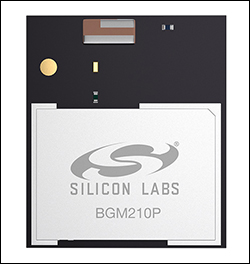
Silicon Labs’ mesh-networking modules are intended to ease the development and time to market of BLE, Bluetooth mesh, Zigbee and Thread mesh functionality in lighting, appliances and other products.
by Admin | Oct 13, 2019 | News
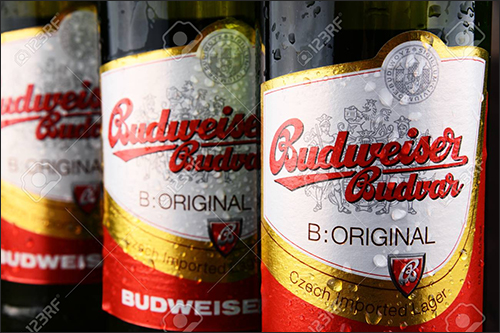
Sewio’s ultra-wideband solution, deployed this year, enables Budweiser Budvar to determine the locations of its forklifts within centimeters, and to thereby understand the movements of its returnable pallets, thus preventing errors, increasing efficiency and reducing inventory space.

by Admin | Oct 13, 2019 | Expert Views
The Federal Communications Commission is trying to move the goalposts late in the game—but it’s not too late to make your voice heard about why this is a bad idea for RFID and the Internet of Things.

by Admin | Oct 11, 2019 | News
The new labels have been piloted by SneakerCon to provide encrypted authentication of high-value sneakers and to enable individuals to create both public and private access to data about a product, such as a collectible shoe.