
by Rich Handley | Aug 27, 2020 | News
JADAK handheld reader integrates LF/HF RFID, 1D/2D barcodes; Fresenius Kabi intros RFID smart labels for medication management; Talkin’ Things offers $0.03 NFC and RFID tags; Facedrive BLE app pairs with TraceSCAN wearable tech; Semtech, Amazon Web Services, TensorIoT collaborate on IoT solutions; Microlink to distribute Kerlink LoRaWAN solutions in Colombia, Peru.
by Rich Handley | Aug 26, 2020 | News
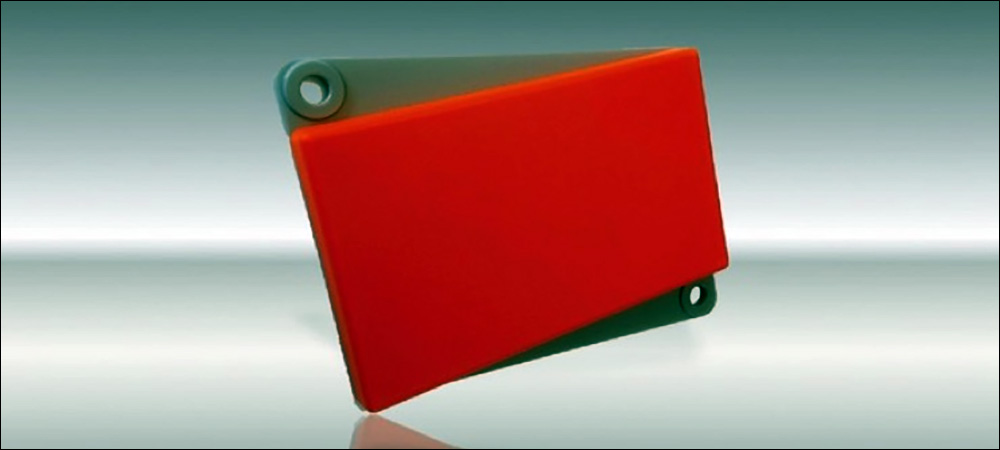
Several companies are conducting early testing of Avery Dennison’s Maxdura device—which comes with a built-in battery, a sensor and UHF functionality—so that data can be captured as perishable foods, drugs or other goods pass through portals where tags are being read.
by Rich Handley | Aug 25, 2020 | News
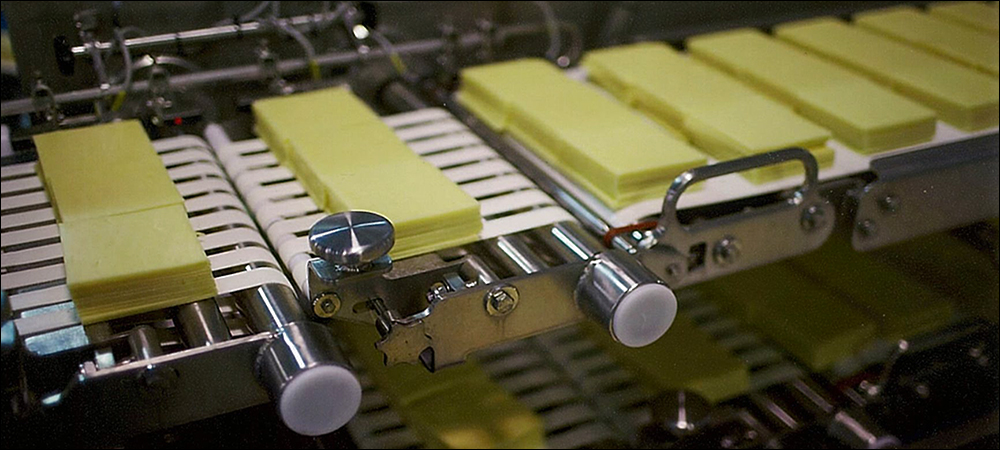
Swinburne University of Technology has teamed up with Software AG to provide Internet of Things solutions that are now being tested by Bega Cheese and other companies to boost product quality and operational efficiency for the production of food, composite materials and other goods.

by Rich Handley | Aug 24, 2020 | News
Avery Dennison’s 2020 market research found the retail market is accelerating its transition into IoT and RFID to bring transparency to supply chains for shippers, retailers and consumers, as part of what it calls a revolutionary digital transformation.

by Rich Handley | Aug 23, 2020 | Editor's Views
After embedding radio frequency identification into its park-access bracelets several years ago, Walt Disney World now plans to begin focusing more on smartphone apps.

by Rich Handley | Aug 23, 2020 | Expert Views
Here are some specific questions to ask product managers, embedded system engineers and solution architects when choosing an RFID design-in module solution.
by Rich Handley | Aug 21, 2020 | News
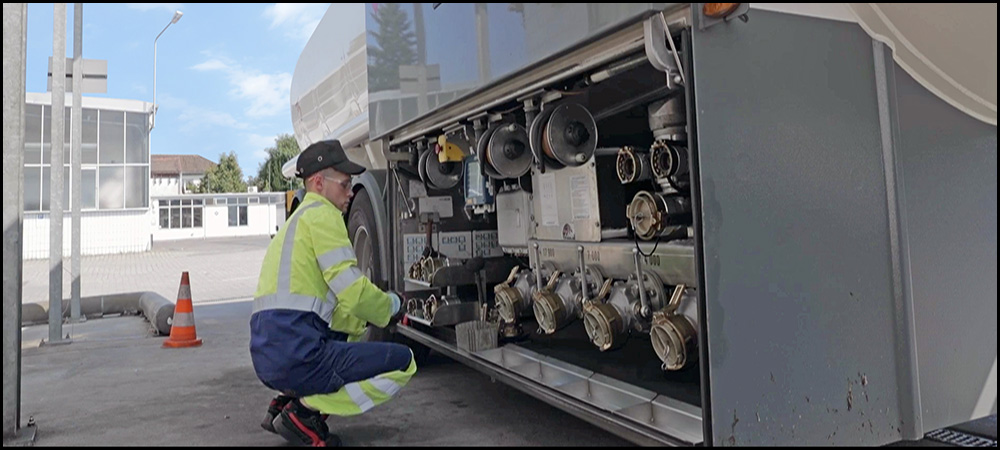
With shopping behaviors changing at fuel stations and their convenience stores, a cloud-based solution from PDI is tracking fuel levels and in-store sales, helping businesses automate replenishment, predict sales and provide digital purchasing experiences.
by Rich Handley | Aug 20, 2020 | News
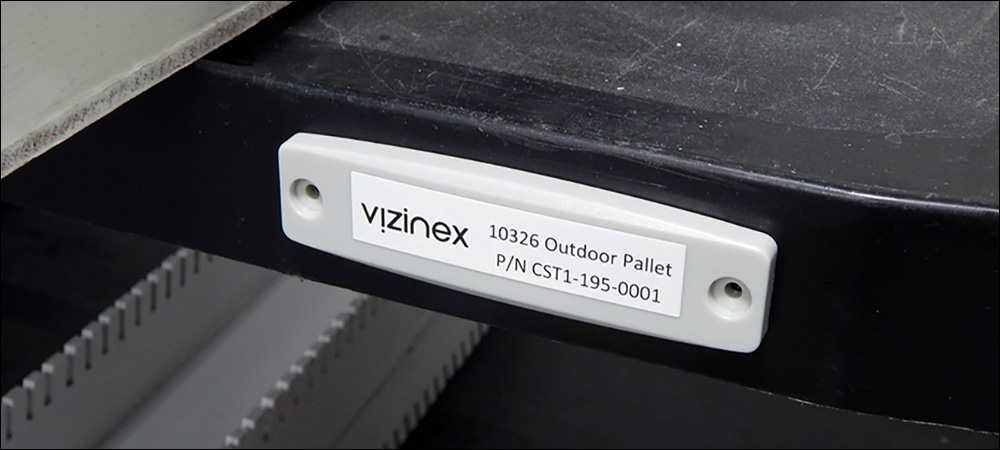
Vizinex RFID adds tags for tracking containers, pallets; Semtech deploys LoRa IoT network for South Korean expressways; Swittons intros smart IoT devices for pharma lab digital transformation; Estone Technology offers waterproof tablet with RFID reader, barcode scanner; RestorePoint platform enables visibility, control for IoT data.

by Rich Handley | Aug 19, 2020 | News
The GS1 Registry Platform enables product information to be shared throughout the supply chain and with customers via RFID, barcodes and digital printing.

by Rich Handley | Aug 18, 2020 | News
Nothingbutnet is providing a social-distancing-based premium version of its real-time location system for sports, as well as for offices or factories, that leverages Bluetooth Low Energy technology from Quuppa.