
A Healthy Market in an Unhealthy World
During the COVID-19 pandemic’s first year, the real-time location systems sector has seen strong growth at hospitals.

During the COVID-19 pandemic’s first year, the real-time location systems sector has seen strong growth at hospitals.
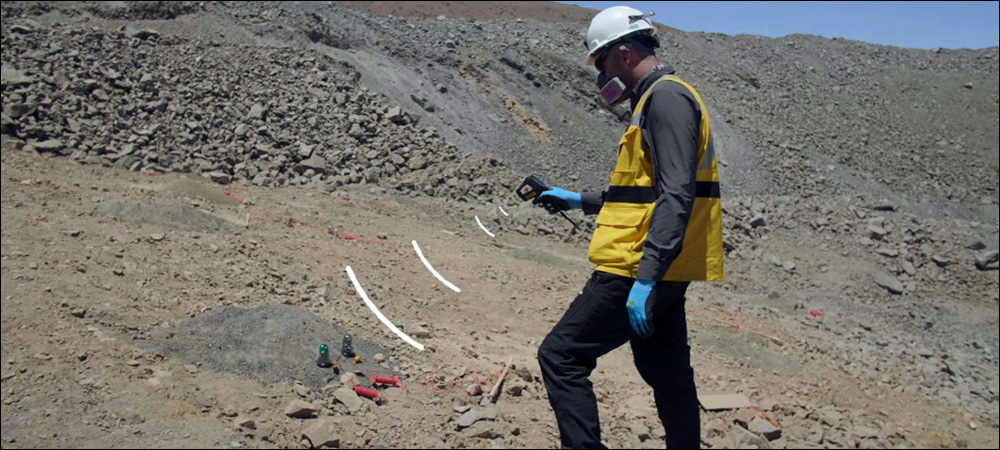
Davey Bickford Enaex will continue to work with CEA-Leti for three more years to commercialize a proprietary wireless protocol-based system that sends and receives transmissions between a blast controller and thousands of detonators at mining sites.

Omni-ID adds Quuppa tech to IoT devices, unveils IoT middleware; STMicroelectronics offers new Type-5 NFC tags, joins ZETA Alliance; Semtech releases chipset for LoRaWAN network coverage; Link Labs’ IoT evaluation kit available at Amazon; Elatec intros RFID reader for integrated access control, NFC; LoRa Alliance announces LoRaWAN roaming in more than 25 countries.
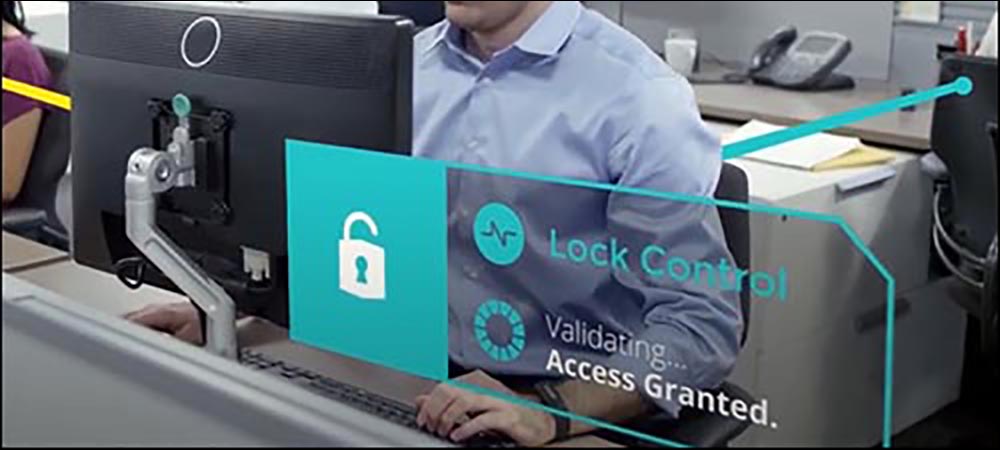
Companies are deploying a Nymi solution with Elatec readers to enable workers to access clean rooms and offices, use secure computers and printers, and monitor social distancing.

The company’s latest Internet of Things offerings are being provided with a layered approach to meet customers’ challenges during and after the pandemic, mixing HF, NFC, UHF, BLE and other technologies, depending on individual use cases.

The kit is intended to guide companies through the process of procuring the components and resources required for an Industrial Internet of Things solution, and the IIC has also partnered with CESMII to accelerate the adoption of IIoT technologies.

In a real-world setting, parking conditions can be vastly improved by the Internet of Things.
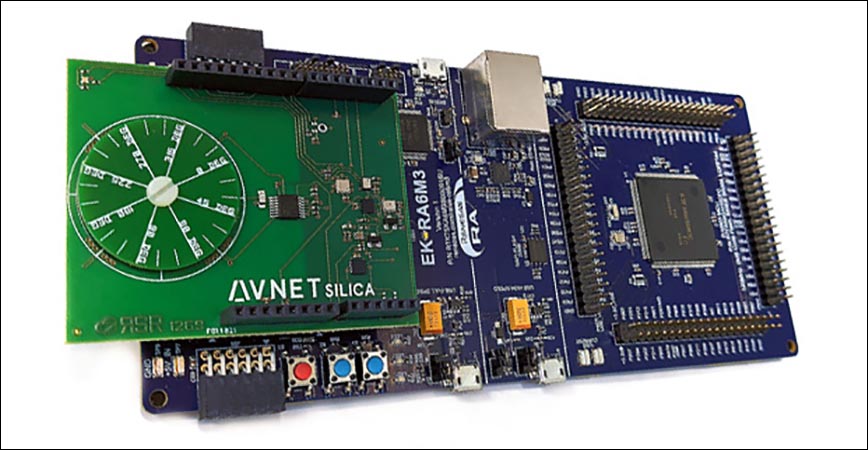
The company’s HoriZone RA kit and IoTConnect platform are designed to provide secure, real-time IoT sensor data to the cloud.
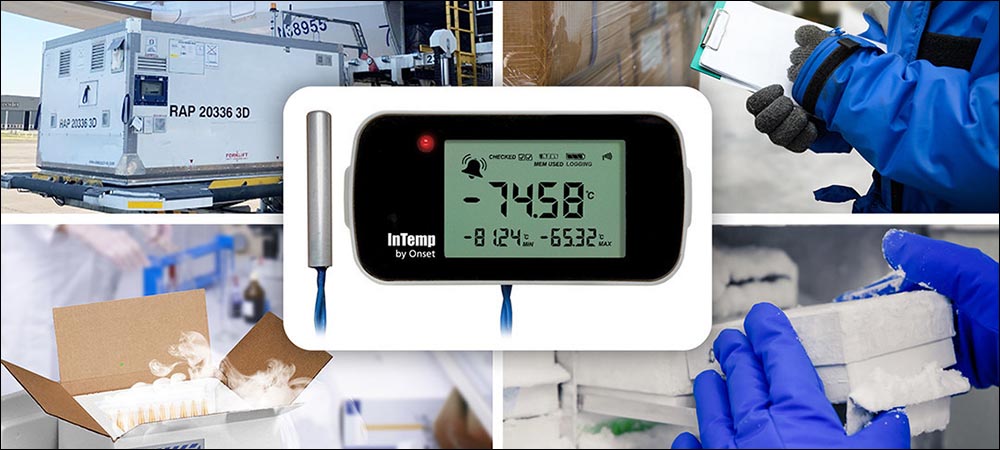
U.S. Navy awards contract to VOS Systems for BLE contact tracing; Descartes Systems Group launches open network initiative for BLE air cargo tracking; WISeKey PKI enables IoT manufacturers to embed trusted digital certificates; Onset unveils BLE datalogger for vaccine storage, transportation; Pasternack intros Yagi antennas for RFID inventory tracking.

Kinexon’s SafeZone solution tracks each time workers wearing SafeTags come within close range, then alerts them in real time, while storing anonymous information so contact tracing can take place before infections can occur.