
by Rich Handley | Mar 19, 2021 | News
With a solution from Aucxis, personnel at Ziekenhuis Oost-Limburg Hospital can flip an RFID-enabled ticket to send an alert that a box of supplies requires reordering, thereby reducing manual inventory counting and making the warehouse picking process faster and more accurate.
by Rich Handley | Mar 18, 2021 | News
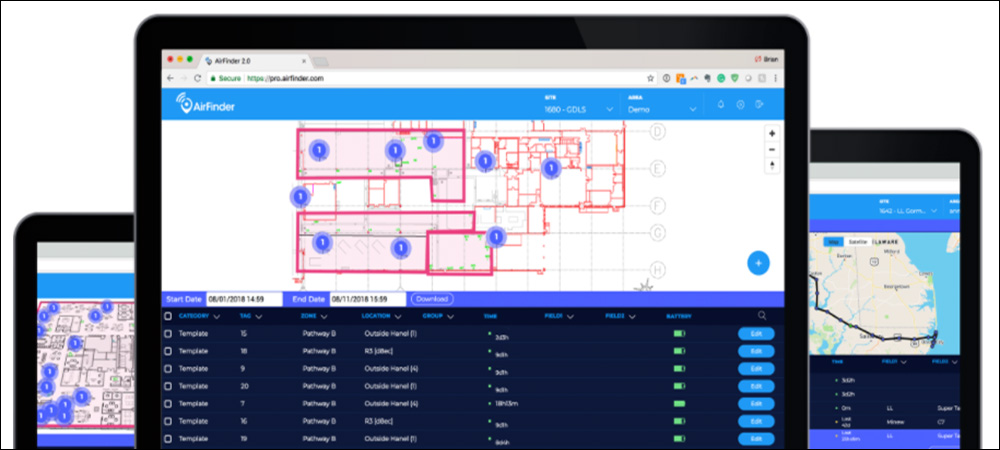
Zebra Technologies validates A2B Tracking for fixed RFID readers: STMicroelectronics works with Intel on MEMS mirror, offers new BLE MCU; Murata teams with Senet on LoRaWAN IoT, expands product portfolio; Industrial Internet Consortium publishes IIoT MILS architecture white paper; Link Labs launches IoT asset-tracking platform; Semtech, MXC Foundation announce open LoRaWAN networks.

by Rich Handley | Mar 17, 2021 | Editor's Views
An article published last week by the American business magazine, encouraging the adoption of radio frequency identification, may signify a shift in how the media views the technology’s value.

by Rich Handley | Mar 17, 2021 | News
Avery Dennison’s atma.io platform captures and manages data from QR codes, as well as NFC and RFID tags, and monitors around 10 billion items from the point of manufacture through the supply chain to stores and consumers.
by Rich Handley | Mar 16, 2021 | News
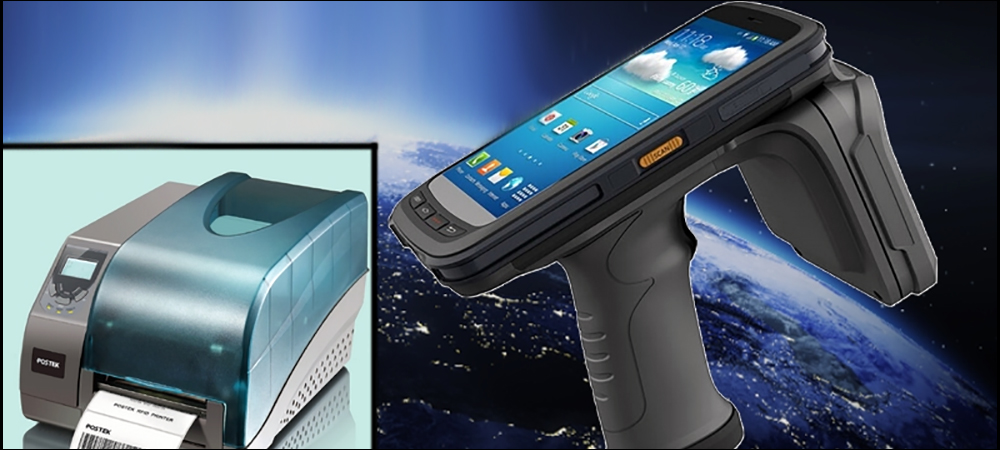
With printers and readers tested and approved by strategic suppliers in Brazil, Chainway and Postek are enabling RFID applications for several companies, fostered by a partnership between Prime Interway and iTAG.

by Rich Handley | Mar 15, 2021 | News
Nutrien’s turnarounds at nitrogen and potash sites are now managed via an active RF solution from Triax that monitors social distancing and provides contact tracing for 1,500 or more contract workers temporarily on site.

by Rich Handley | Mar 14, 2021 | Expert Views
Without a reliable, scalable and flexible power solution for the Internet of Things, artificial intelligence cannot deliver on its full potential.

by Rich Handley | Mar 12, 2021 | News
The acquisition brings Invengo’s tags, readers and software to HID’s expanding RFID portfolio, enabling healthcare and hospitality companies to better manage the flow of linens and uniforms as they are used, cleaned and repaired.
by Rich Handley | Mar 11, 2021 | News
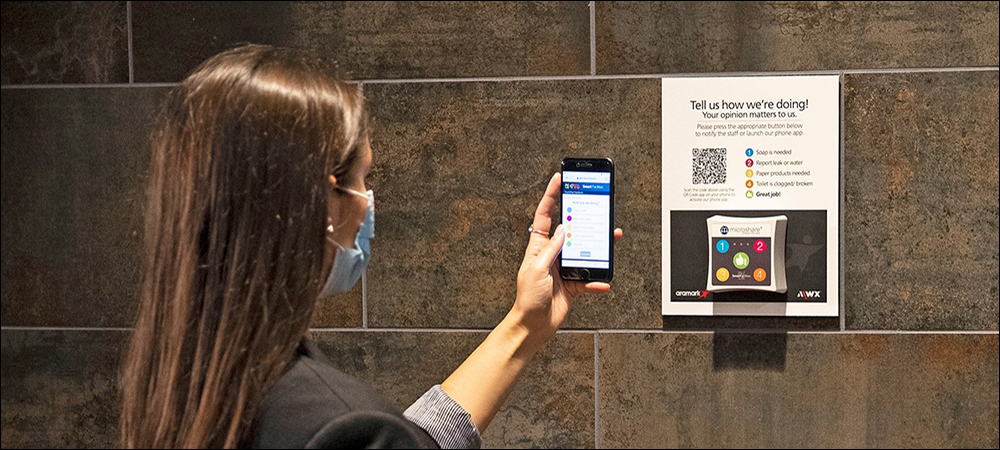
Avery Dennison extends NFC inlay line with EM Micro IC; Vizinex RFID adds Impinj chips to its products; BehrTech, WEPTECH launch LPWAN gateway for IoT; Aramark LoRaWAN solution uses tech from Kerlink, Microshare; Sewio releases RTLS design planner for UWB; Kalypso, AVATA partner on digital transformation for Oracle clients; UrsaLeo expands into EMEA region.

by Rich Handley | Mar 10, 2021 | Expert Views
The technology is a valuable tool supporting consumer-driven innovation, and it can help retailers and brands sell more products, whether during periods of economic prosperity or in times of crisis.