
The Shift to a Contactless World
Business owners need to embrace Near Field Communication and other technologies enabling contactless payments. Here’s why.

Business owners need to embrace Near Field Communication and other technologies enabling contactless payments. Here’s why.

Barcelona-based shoemaker Viscata is working with Newmine to offset the impact of recent challenges by reducing the amount of product that ends up being returned.
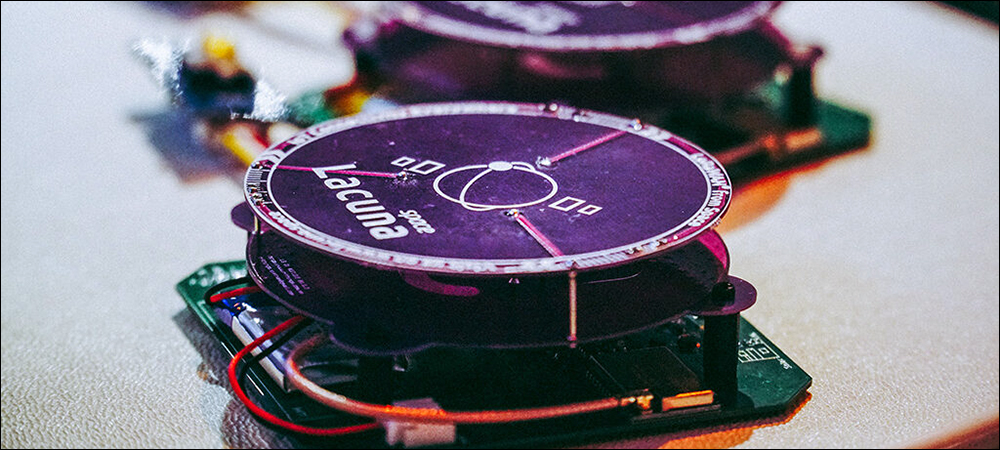
Culvert IoT offers location-aware solution for industrial workplaces; Lacuna Space, Semtech expand LoRaWAN coverage via IoT satellites; MultiTech Systems unveils LoRaWAN sensors; FloLIVE, Paragon ID secures ARC certification; Wiliot launches retail IoT starter kit; Luner announces IoT SIM for developers, SMEs.
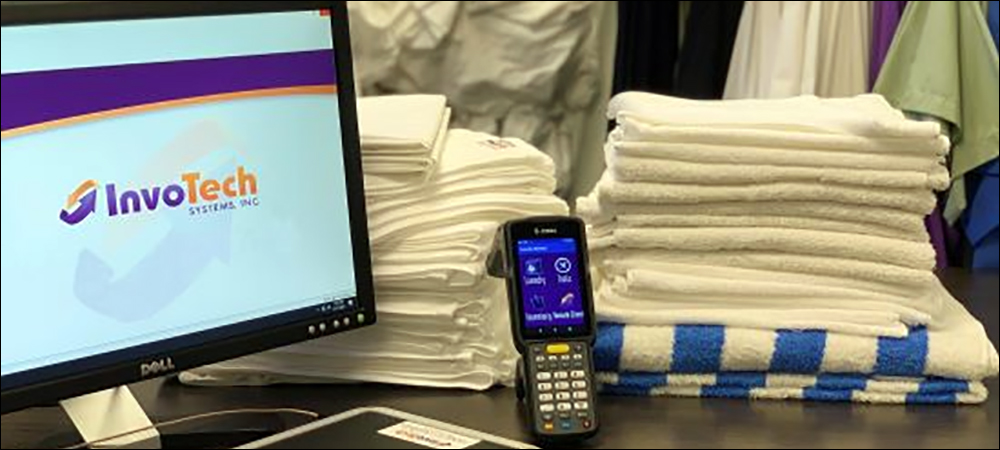
By acquiring its fellow technology company, HID anticipates growth into hospitality-related textile-management solutions globally, providing systems for uniforms and linen management, as well as laundry services.

This week, Campus Safety editor-in-chief Robin Hattersley will provide an overview of the many trends the publication has uncovered throughout the past few years.

Radio frequency identification can greatly speed up toll collection, yet for some reason the opposite has reportedly happened in Malaysia.
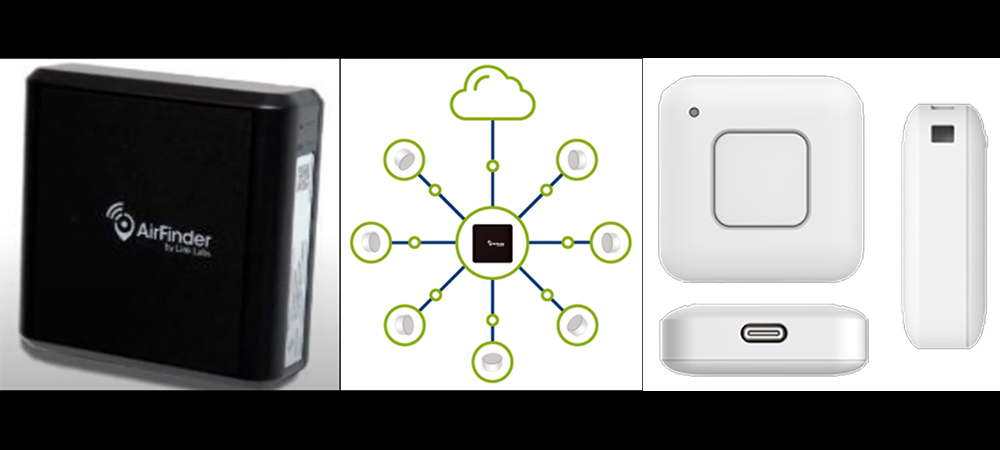
For approximately $10 a month, companies can employ Link Labs’ SuperTag Hub to track the conditions and locations of goods moving through and between facilities, or to and from worksites.
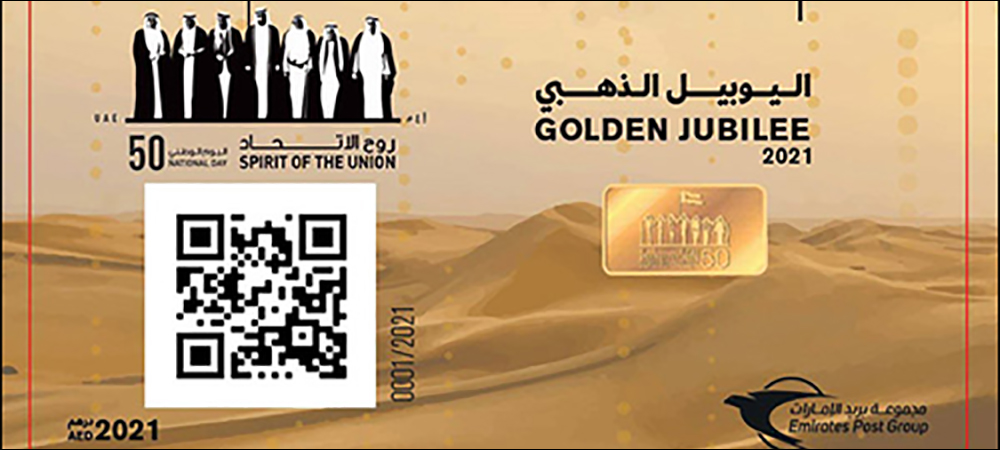
Those who buy 50th UAE Nation Day commemorative crypto-stamps can access a digital-twin version with the tap of an NFC chip, using the blockchain to buy, trade, sell or authenticate the product digitally.

Business owners can develop successful marketing methods by deploying RFID and other technologies, and by doing their research.
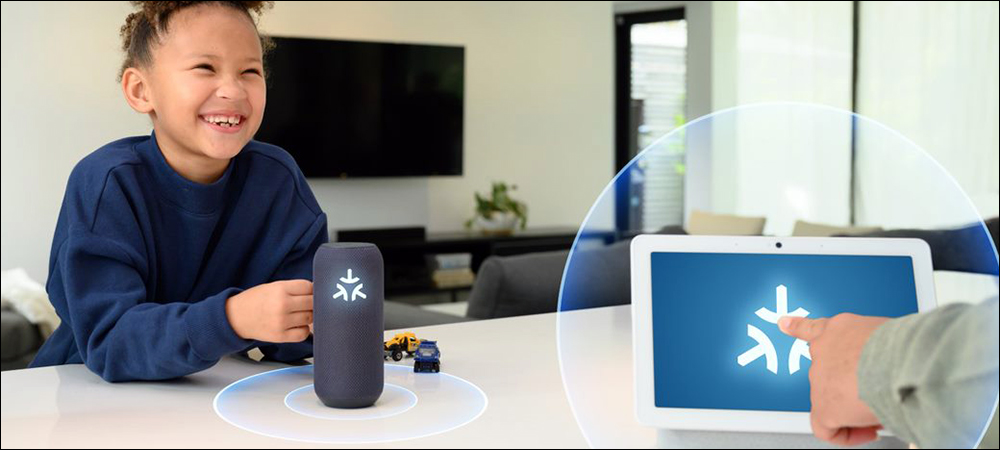
The IW612 supports Wi-Fi 6, Bluetooth 5.2 and 802.15.4, enabling simultaneous transmitting and receiving for smart-home, automotive and industrial applications, and connecting smart devices across various protocols and ecosystems.