
Senet, WHIN Deploy LoRaWAN Connectivity in Indiana
The companies plan to increase access to IoT networks and sensor-enabled solutions, making the rural region an epicenter for manufacturing automation and digital agriculture.

The companies plan to increase access to IoT networks and sensor-enabled solutions, making the rural region an epicenter for manufacturing automation and digital agriculture.
STMicroelectronics intros M2M embedded SIMs, inertial sensors; Renesas acquires Reality Analytics, offers IoT development platforms; A2B Tracking RFID platform receives Zebra validation; Technology provider Velociti doubles warehouse size; Indoor Robotics raises Series A funding for drone tech.

Mergers and acquisitions have been a steady occurrence in the RFID ocean of late, with HID Global dominating the currents.

The Internet of Things enables applications in a variety of sectors, from healthcare and industrial to home automation, environmental monitoring, retail and more.

Unilever has begun offering its Ice Cream Shop mobile stores in West Hollywood, leveraging Robomart’s vehicles and app with a UHF RFID system to detect what products are in stock and when customers select them.
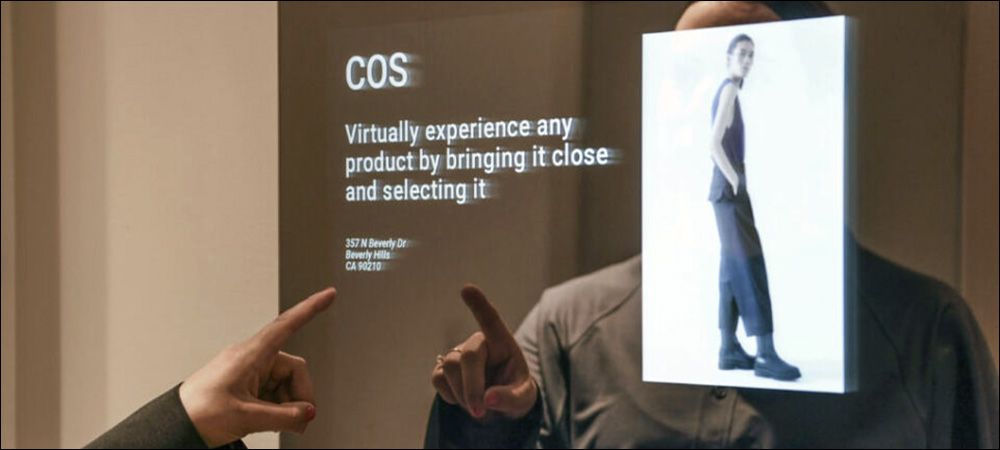
The company is rolling out a pilot of tech-enabled in-store shopping solutions at U.S. stores, including payment and checkout options, personalized styling facilitated by smart mirrors, and upgraded delivery and return options.
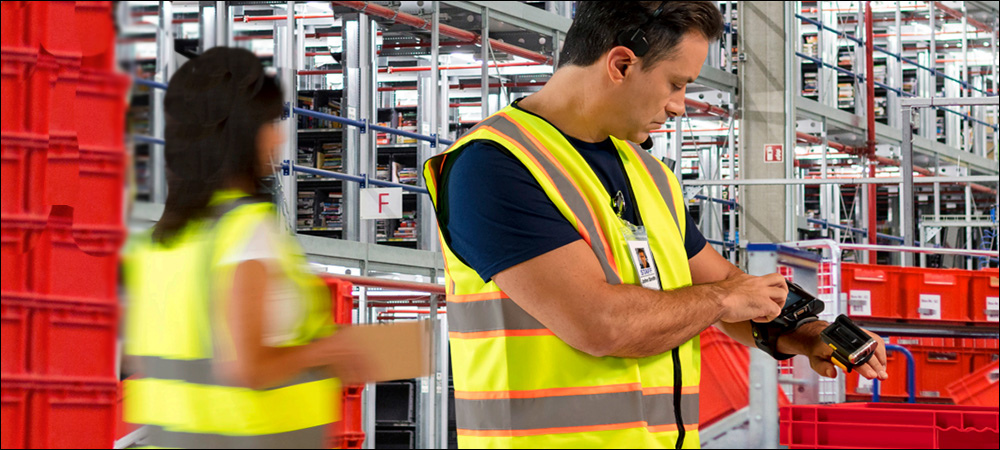
During a recent Zebra study, around 85 percent of warehouse managers indicated plans to prioritize automation technology, such as machine learning, AI and RFID, within the next three years.

Combining the two technologies creates a better system and better healthcare.

The Internet of Things has brought about a paradigm shift in the industry.

The global sports-timing technology provider has worked in partnership with CISC to develop and enhance its RFID readers.