The RFID Reader Architecture Debate
The question of whether to treat the EPC reader as simply another automation input device or as part of the IT infrastructure is a frequent topic of discussion. This article explores that debate.

The question of whether to treat the EPC reader as simply another automation input device or as part of the IT infrastructure is a frequent topic of discussion. This article explores that debate.

Vendors announcing lower prices for EPC UHF RFID tags have created plenty of buzz, but they are unlikely to accelerate adoption dramatically in the near term.

Hundreds of Boeing suppliers will be affected by the aerospace giant’s plan to require RFID smart labels on high-value parts used in its 787 Dreamliner. Boeing also plans to work with EPCglobal to develop its RFID program.
Just because prices have come down does not mean that the floodgates of adoption will open. Or does it? RFID Update spoke with a number vendors to try and determine the price elasticity for RFID. That is, how closely tied to pricing is demand for the technology from end-users?

Technology services provider Subsystem Technologies expects many government RFID pilots to shift to full implementation during the 2006 fiscal year.

In order to maximize the value of radio frequency identification, an executive must stand back and mull over the strategic implications.
As one looks at the impact of RFID technology on the global market, it should be noted that there is a growing realization of a transition from Gen1 to Gen2 technology. This guest article explores that transition’s significance.
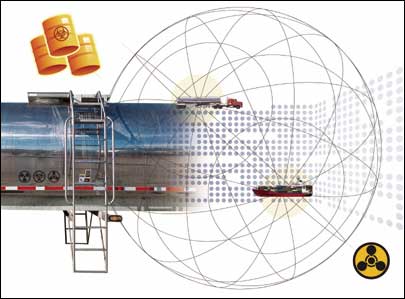
Tracking potentially hazardous chemicals with RFID could help chemical companies secure the supply chain, reduce inventory and better manage assets. But the industry is moving slowly toward adoption, balancing the costs against the possible benefits.


Everyone will benefit if companies set aside their national (or personal) agendas and work toward a global EPC standard.