ITU Eyes Role in RFID Standards
After holding a workshop in Geneva, the ITU is set to lend a hand in the development of worldwide RFID standards.

After holding a workshop in Geneva, the ITU is set to lend a hand in the development of worldwide RFID standards.
ARC Advisory Group’s Chantal Polsonetti argues that technological progress and ISO standardization will bring increased benefits for manufacturers implementing RFID, but she stresses the need for careful planning with an eye toward long-term scalability.
A growing number of hospitals are leveraging their existing Wi-Fi networks to track valuable assets and locate personnel with active RFID tags.

The Finnish RFID startup’s first product is an EPC Gen 2-compliant tag designed to track reusable assets such as trays and dollies.
RFID solutions provider Savi Technology yesterday announced that its contract with the US Department of Defense has been doubled from $207.9 million to $424.5 million. The increased commitment is largely a result of the war in Iraq, according to what the Army said in a statement.
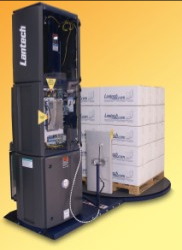
The material-handling equipment maker is working with RFID interrogator manufacturers to integrate readers into its Q-300 stretch-wrapper.
This is the fourth and final article in a series from Dennis Báthory-Kitsz, who predicts that this year will be the one RFID vanishes. This article considers pricing, transport, consolidation, niche applications, and the welcome end of hype.

The most strategic benefits for radio frequency identification in health care aren’t necessarily found in applications with the most apparent return on investment.

One of the technology’s key retailer adopters cautions that until a single data standard emerges, RFID deployment will remain limited.

Academics from around the world will share their latest research at the second RFID Academic Convocation, colocated at RFID Journal LIVE!