RFID Meets Wi-Fi
Active RFID systems are ideal for tracking large assets over long distances.

Active RFID systems are ideal for tracking large assets over long distances.
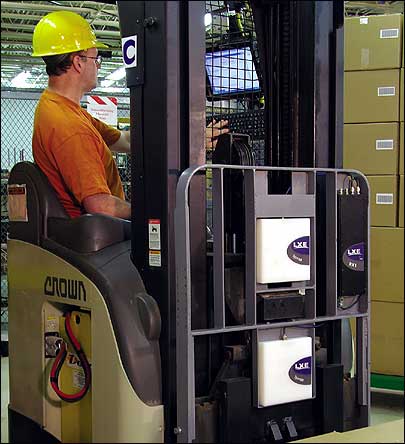
Vendors are responding to end users’ needs by introducing interrogators designed for specific tasks and locations.
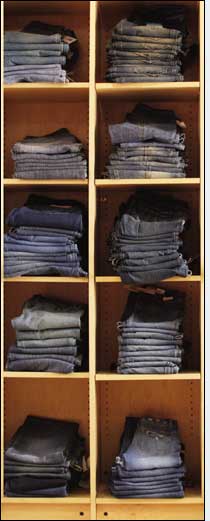
Apparel and footwear retailers are finding that tagging goods—that is, individual garments and shoes—is well worth the investment.
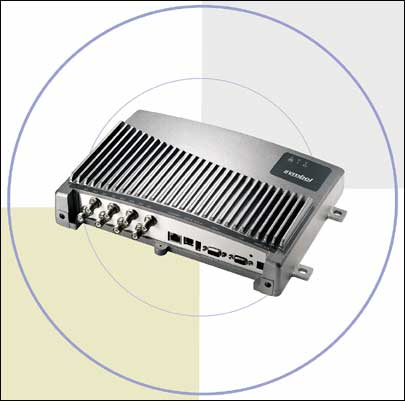
There are important differences between the Gen 1 and Gen 2 protocols. The RFID Alliance Lab found that there also are significant differences among the four commercially available EPC Gen 2 certified interrogators it tested.
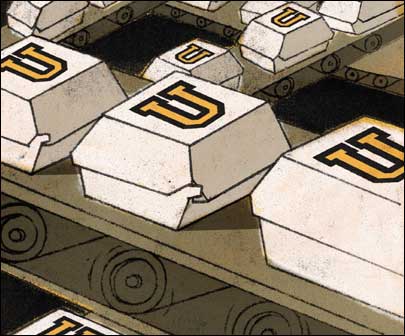
Over the past 18 months, many universities have jumped on the RFID bandwagon and opened RFID labs.
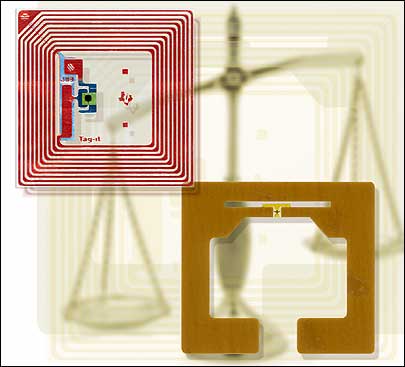
Wal-Mart has come out in favor of using UHF RFID tags instead of HF to track unique items, but it’s not clear whether other end users will go along.
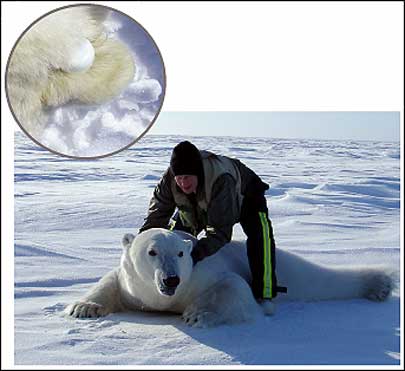
Researchers with the U.S. Geological Survey worked with RFID technology providers to develop tags that could withstand the harsh Arctic climate.
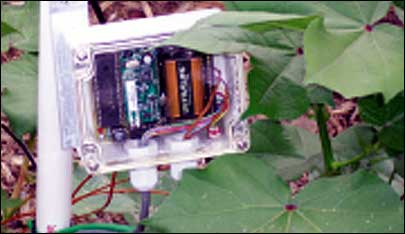
Cotton growers can lose 200 to 300 pounds of cotton per acre if the plants get too much or too little water. Worse, the damage can be done to the plants before they show any outward signs of being distressed.


By developing new chip and antenna technologies, we can improve the read rate of item-level tags.