Item-Level RFID Gears Up
Many companies are tracking individual items, rather than pallets or cases, because that’s where they see the biggest return on investment.

Many companies are tracking individual items, rather than pallets or cases, because that’s where they see the biggest return on investment.
Hundreds of tags are helping hikers at Italy’s Mont Avic Regional Park learn more about nature.
SeaAway, an RFID startup, has developed a “prior-to-port” security system to prevent potential disaster before it reaches the shores.

If RFID doesn’t become a greater priority at the highest level, companies will never get the benefits that are possible.
The city of Dayton, Ohio, is investing $1.4 million in the new Dayton RFID Incubator Corp. (DRIC), an economic development project for RFID-related businesses. Dayton was central to many important early developments in bar coding and is home to many leading bar code and RFID organizations.

A high-tech cluster can spur economic growth. So how do you create one for RFID?

By integrating an RFID antenna in the silicon chip, we can create tiny tags.
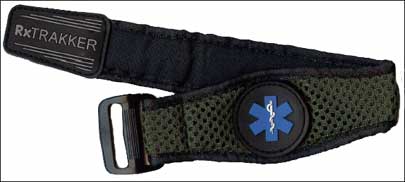
The system uses encryption and compression to store a patient’s medical data on a wristband’s embedded RFID tag, providing health-care workers with fast access to vital information.

The goal of the multiyear project is to develop a secure RFID-based system that would enable care providers to remotely monitor patients’ cardiac health and medicine consumption.

The federal government is using RFID in ways that will impact your business.