UMass Researchers Describe New Approach to Tag Security
The scientists seek to leverage a unique signal generated by an RFID chip’s volatile memory so the tag can be authenticated and its data encrypted.

The scientists seek to leverage a unique signal generated by an RFID chip’s volatile memory so the tag can be authenticated and its data encrypted.
eWeek reports on the new enterprise resource planning (ERP) system being planned for US football team the Dallas Cowboys. The ERP will be an overhaul of the existing technology infrastructure, and what else but RFID will play a leading role in the way the sporting franchise leverages technology to do business.

The trial’s purpose is to enable participants to share RFID-related data by means of applications based on EPCglobal’s EPCIS standard.

The use of HF tags enables the stores to perform a daily inventory, reduce shrinkage and restock goods in a timely manner.
IEEE 802.11n is a forthcoming high-speed wireless networking standard being developed as the next generation of Wi-Fi technology. 802.11n is supposed to be backward compatible with legacy 802.11a/b/g products, but features new in 802.11n access points could impact how legacy WiFi-based RTLS systems perform.

The sugar manufacturer is using tagged plastic pallets to track its shipments from the refinery to the store, and to reduce the likelihood of contaminant exposure.
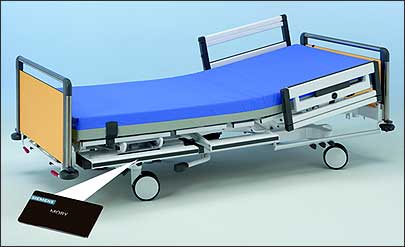
Bielefeld City Clinic will use RFID to track beds and mattresses as they move through an automated washing system, to make sure they’re properly cleaned and to cut down on unnecessary procedures.

There is a great deal of interest in how RFID can help hospitals become more efficient, but there is a lot of confusion about what type of RFID to use.
October’s , the publication from wealth and asset management firm Baird, was refreshingly optimistic about signs that the tide might finally be turning in the RFID market. The cautiousness of the report’s language notwithstanding, its tone suggested one of the more positive market assessments in recent memory.
Based on the success of a pilot project, the organization plans to apply Wi-Fi-based RFID tags to 2,700 pieces of equipment and study new ways to use its real-time locating system to improve processes and its bottom line.