Tagged Tattoo
Check out this guy’s body art.

Check out this guy’s body art.
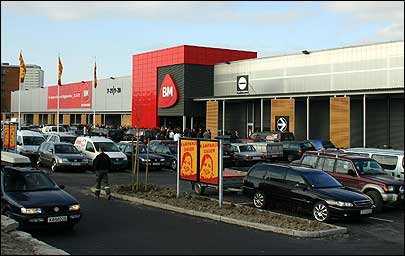
By providing its customers with active Wi-Fi-based tags, Rautakesko can track their movements and actions, in order to optimize the design of its sales floor.
Global RFID market to reach $5.3 billion this year; RF Code unveils RFID solution for monitoring data center environment; French retailer launches NFC payment trial; California residential/retail park implements RFID-enabled parking system; CSL’s EPC Gen 2 handheld reader available in North America; Omni-ID’s UHF tethered tag for small assets; Sirit and Mikoh partner on passive RFID vehicle identification system.

Twenty-nine European partners are developing an RFID-based application and supply-chain analysis system that may be used to increase sawmill efficiency and raw materials usage, improve logistic operations and minimize environmental impacts.
This is the first installment of a two-part series on how deteriorating economic conditions could impact the RFID industry. Part 1 focuses on the current adoption climate and short-term outlook. Tomorrow’s conclusion examines whether conditions will trigger consolidation and reshape the RFID vendor community.
This conclusion of a two-part series on how economic conditions are affecting the RFID industry examines how tight capital and an extended bear market could impact the RFID vendor community. Part 1, , analyzed how current economic conditions are impacting near-term RFID adoption prospects.

At the California facility, EPC Gen 2 tags will keep tabs on evidence as technicians perform DNA typing, fingerprint analysis, ballistics, toxicology and drug testing, and other procedures.
Developed specifically for use by the railway industry, the CableTag can be wired to an external system so its memory can be dynamically updated with new data.
To help it track personnel and improve safety and productivity, the company’s coal division has rolled out a Wi-Fi-based active RFID system.
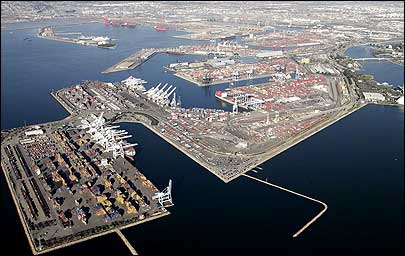
Using active tags to identify trucks serving their terminals, the Ports of Long Beach and Los Angeles hope to reduce truck-related air pollution by 80 percent.