
Don’t Shoot the Messenger
In electronic identity cards and passports, contactless RFID technology enables the biometric—or personal—data to be checked quickly.

In electronic identity cards and passports, contactless RFID technology enables the biometric—or personal—data to be checked quickly.
Some packaged-food manufacturers are getting swamped by the costs of meeting retailer RFID-tagging mandates, but others are staying afloat by examining how the technology could help them improve business practices and meet government food safety regulations.
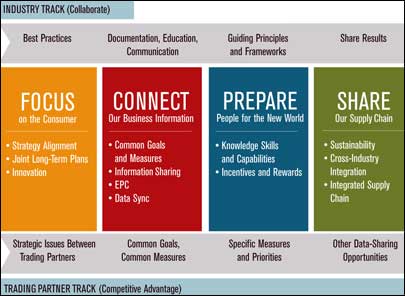
An industry initiative provides a strategic framework for deploying EPC RFID technology where and when it makes sense.
This article highlights announcements made during the week of November 24, 2008, when RFID Update did not publish in observance of the US Thanksgiving holiday.
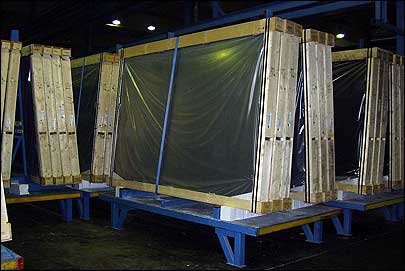
AGC Flat Glass Europe is using EPC tags and readers to help automate the packaging of large sheets of glass, and to ensure forklift drivers are beyond the reach of robot-operated cranes.

Following a two-year deployment at its facilities, Holt Cat has entered the RFID business, partnering with SAVR Communications to market a tool-tracking system to its dealers.

Waiting too long to become EPC-compliant will result in higher costs in the end.

In electronic identity cards and passports, contactless RFID technology enables the biometric—or personal—data to be checked quickly.

We need to build an integrated architecture that would enable organizations to share physical data collected by wireless sensor networks.

When it comes to supply-chain visibility, a little RFID can go a long way.