RFID News Roundup
Trapeze Networks buys Newbury Networks; U.K. fast-food chain offers customers contactless payments; Swissôtel Chicago pours RFID into operations to cut costs; RF Code intros on-command solution for its active RFID tags.

Trapeze Networks buys Newbury Networks; U.K. fast-food chain offers customers contactless payments; Swissôtel Chicago pours RFID into operations to cut costs; RF Code intros on-command solution for its active RFID tags.
This article concludes a three-part series that recaps the top RFID developments from 2008. This final installment highlights prominent security-related activity, updates ongoing trends and shares thoughts on how the overall economy may impact the RFID industry. covered technology developments, and documented merger, acquisition, startup and investment activity.
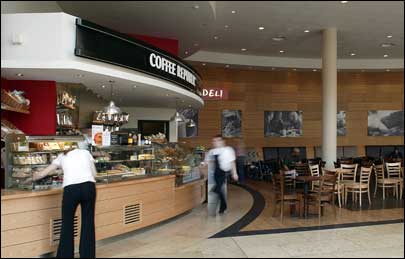
The British coffee chain is issuing NFC-enabled smart cards, provided by sQuid, that customers can use to pay for food and drink, as well as earn discounts.

Demand for RFID hardware, software and services will be stronger in 2008, but don’t expect the volume of products purchased to soar.
This is the second installment of a three-part series recapping the top nine RFID developments from 2008. This article covers how the RFID vendor community was changed by mergers, acquisitions, divestitures, startups and venture funding. Yesterday’s covered technology developments, and tomorrow’s conclusion will identify new trends and the 2009 outlook.
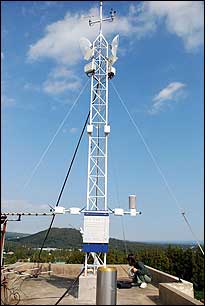
The agency is deploying a vast 300-node wireless sensor network on a remote island so it can get a heads-up regarding approaching storms.
At the event, to be held Jan. 5-7 in Dubai, industry leaders will reveal how to improve operational efficiencies.
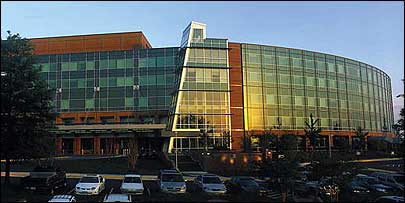
The 442-bed Virginia facility will utilize the system to track the locations of hundreds of cardiac telemetry units and other assets, as well as to monitor refrigerator temperatures.

The CEO of a manufacturer of active RFID hardware deploys his company’s new wireless sensor system to monitor temperature and humidity at a winery he owns and operates.

The incoming president has a rare opportunity to transform America’s infrastructure—making it smarter, safer and more efficient.