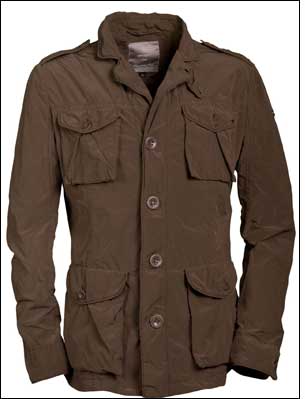
RFID Targets Gray Market in Europe
Italian clothing designer G&P Net uses RFID to track its garment inventory, helping it identify and eliminate the source of gray market sales.

Italian clothing designer G&P Net uses RFID to track its garment inventory, helping it identify and eliminate the source of gray market sales.
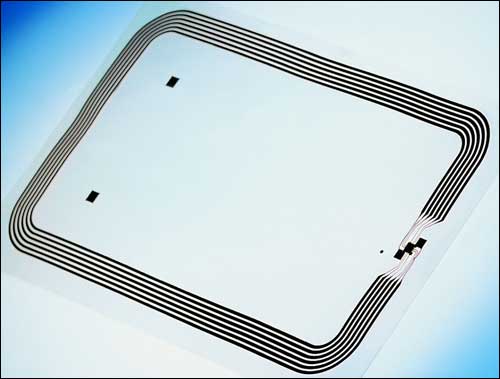
The two companies have collaborated to highlight key capabilities of the candidate EPC Gen 2 standard for high-frequency passive RFID tags, through a demonstration that simulates methods for tracking pharmaceutical products.
Australian telecommunications provider Telstra has completed a successful item-level RFID pilot in which the company tracked 15,000 cellular phones across the supply chain to its retail outlets. The benefits were considerable, and the company may expand the rollout next year.

A GS1 Hong Kong-led project uses UHF EPC tags to allow consumers to verify that goods purchased at Hong Kong International Airport are not counterfeit.
Mobile Payment Skins is embedding RFID inlays into the cell phone skins it offers, providing a new, cashless way to pay for goods.

The Global RFID Interoperability Forum for Standards met in Washington, D.C., to establish a permanent body to foster communication and collaboration among RFID standards bodies.
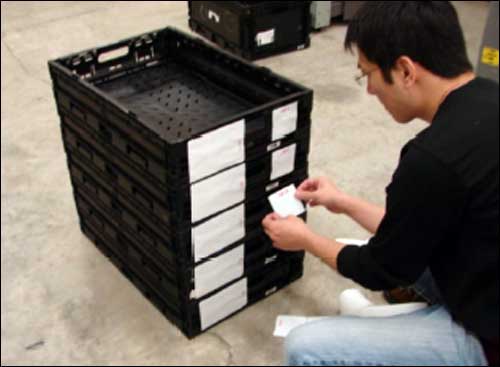
A Reusuable Packaging Association study indicates Gen 2 UHF RFID tags can be expected to continue performing on containers making multiple trips through a supply chain—even in harsh conditions.