
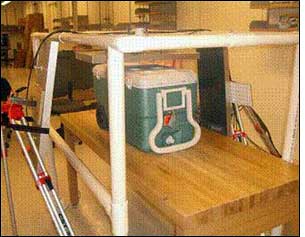
Based on results of an earlier study, the BloodCenter of Wisconsin and its partners will build a prototype RFID system for blood banks and hospitals, supported by a $1.4 million government grant.
The RFID chip manufacturer plans to introduce new UHF chips by the end of this year, as well as a dual-frequency tag in 2011, with other innovations in the works.
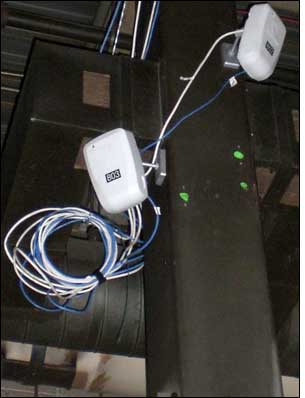
Minneapolis-St. Paul’s Metro Transit uses a Ubisense RFID system to help it locate 900-plus buses at its five parking garages.

Active RFID tags and readers help work crews to locate machinery, even when obscured by tall grass and deep snow, ensuring that the company doesn’t order unneeded assets.
An article suggesting that Wal-Mart will pull the plug on its RFID effort—and that food suppliers and retailers will never achieve a return on investment—is highly misleading.
An article suggesting that Wal-Mart will pull the plug on its RFID effort—and that food suppliers and retailers will never achieve a return on investment—is highly misleading.

Maybe not—if you think of the technology as infrastructure that can deliver many benefits, then calculating the ROI on any one application becomes less critical.
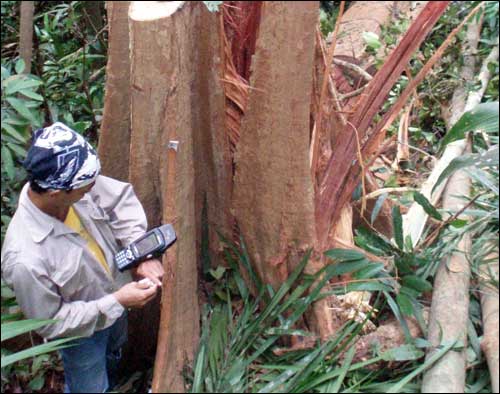
Seeking a system to help it satisfy EU regulations, the government agency recently completed a project using EPC Gen 2 tags to track the movement of logs through the supply chain.