
by Admin | May 5, 2014 | Editor's Views
A conference hosted by RFID Journal will educate companies in these industries about how RFID can deliver benefits today, and a standards workshop following the event will help them shape how the technologies are used.

by Admin | May 2, 2014 | News
GlobeRanger can now sell its Edgeware platform, along with Fujitsu’s tags, integration and software solutions, to the Department of Defense and its suppliers, as well as to markets globally, with the support of its new parent company.

by Admin | May 2, 2014 | News
The company’s seven new passive EPC Gen 2 tags are designed to expand the use of item-level RFID to other products, such as cosmetics, jewelry and shoes.
by Admin | May 1, 2014 | News
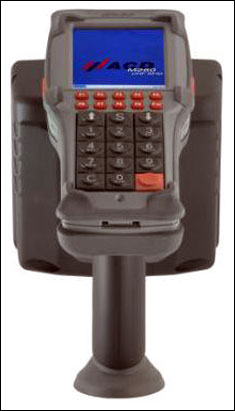
Kathrein RFID announces beam-switching UHF reader antenna, handheld UHF reader; AutoCrib unveils RFID portal for smaller environments; Bnai Zion Medical Center expands LogiTag RFID solution for automatically tracking, reordering stock; Delta Microelectronics intros evaluation kit for NFC data-logging chip with temperature sensor; SimplyRFID launches site featuring UHF RFID surveillance solution; Aurnhammer organizes BeaconCrawl event with Manhattan bars.

by Admin | May 1, 2014 | News
The center, while continuing its research relationship with the University of Arkansas, will expand into NFC, active RFID and other wireless technologies, and will benefit from partnerships with Auburn’s research hubs.
by Admin | May 1, 2014 | News
The event, to be held on Aug. 12-13, will be co-located with the Lean Construction Conference, and will focus on how companies in these sectors are employing RFID to improve their business operations.
by Admin | Apr 30, 2014 | News
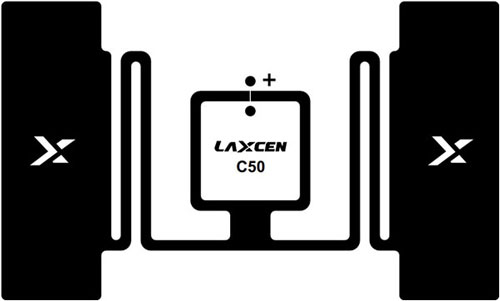
The Hong Kong company’s C50 and C70 models, designed for apparel and health-care applications, recently passed all Arkansas Radio Compliance testing categories.
by Admin | Apr 29, 2014 | News
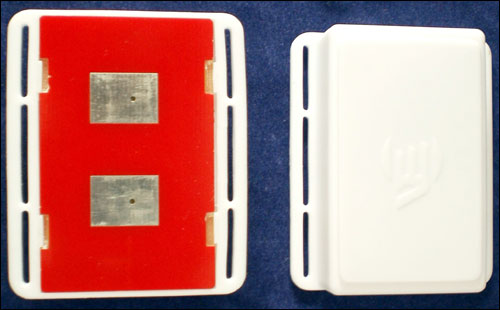
Avante International is providing its AssetGuardian solution to a California businessman, enabling him to protect his personal collection even when his home’s main security system is turned off.
by Admin | Apr 28, 2014 | News
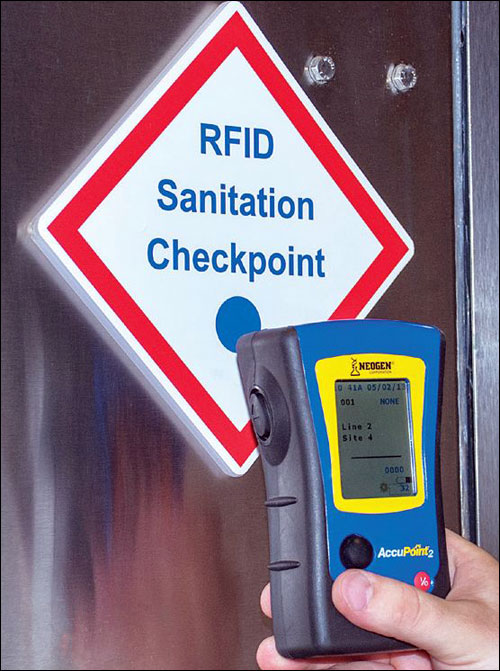
RFID ensures that food producers test a random sampling of equipment for the presence of adenosine triphosphate (ATP), a chemical that serves as an indicator of how thoroughly an area has been cleaned.

by Admin | Apr 27, 2014 | Expert Views
Omnichannel has created a sense of urgency and is spurring adoption.