
How Wireless Power Can Move the IIoT Into the Future
The Industrial Internet of Things, powered wirelessly, offers new opportunities for innovation.

The Industrial Internet of Things, powered wirelessly, offers new opportunities for innovation.

Eventually, businesses will again start receiving the goods they’re having trouble stocking, but human compassion seems to be in short supply.

A LoRaWAN-based solution is bringing visibility to assets, equipment and cargo, thereby decreasing energy consumption, improving passenger comfort, making operations more efficient and reducing flight delays.

Avery Dennison releases white paper on RFID isolating material performance; Syngenta orders 10,000 tags from CoreRFID; Blulog supports hospitals in battling COVID-19; Swittons, drug companies partner to combat coronavirus spread; Rohde & Schwarz, CommSolid By Goodix support wake-up signal test to improve power efficiency in NB-IoT devices; GlobalPlatform publishes new spec for Secure Element integration into IoT devices; SiFive intros trace-and-debug portfolio for IoT; Worldsensing, IDS GeoRadar launch IoT mining-monitoring system.

The Internet of Things could make a huge difference in that sector.
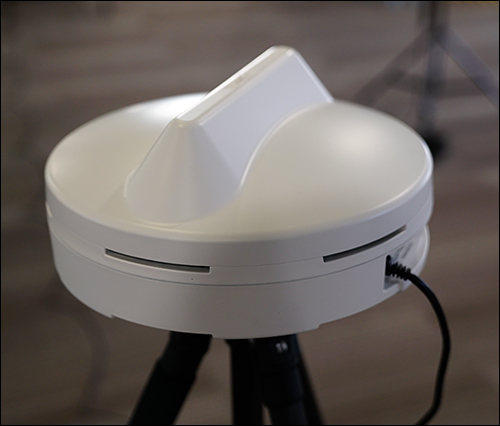
Bastille Networks has released a portable kit for temporary deployments to help government agencies and companies view and manage the wireless activity taking place in their secure areas.
Test and research labs are tracking the chemicals and other samples used for their scientific work, by tagging products with open-detection labels and capturing data about the use and storage of each item via a solution from MilliporeSigma.

Businesses and individuals around the world are suffering. My thoughts and prayers are with you.
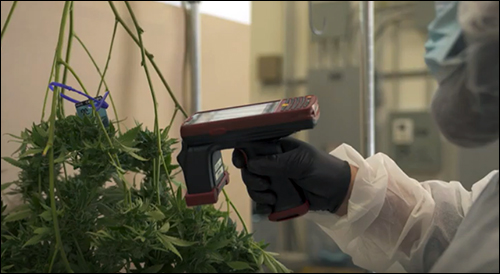
Green Growth Brands has deployed a UHF RFID system from Yobi to automatically track plants through cultivation and harvesting, thereby reducing labor and human errors, with a dispensary solution planned next.

What business impact does this innovation have on the product development and manufacturing lifecycle?