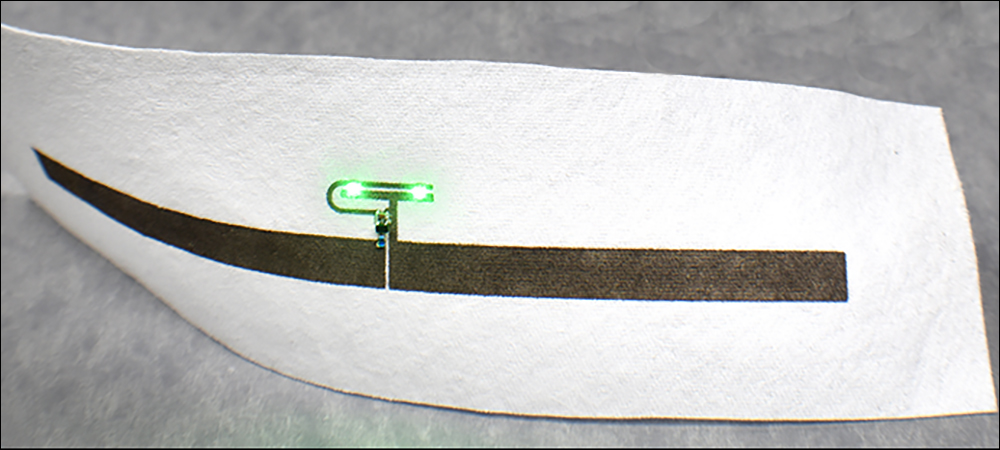
Powercast, LiquidX Enable Washable e-Textiles With Wireless Charging Electronics
Companies can use particle-free conductive inks to print the electronics directly onto smart wearables rather than having to add them afterwards.

Companies can use particle-free conductive inks to print the electronics directly onto smart wearables rather than having to add them afterwards.

Without RFID, retailers don’t know what they have in their stores or their supply chains; as a result, they are struggling to deliver the right goods to the correct customers at the proper time.

How can the Internet of Things help with the COVID-19 crisis?

Internet of Things company Particle has released a solution that it says can serve multiple industries with minor customization, thereby reducing the cost of entry for companies tracking individuals, assets or inventory.
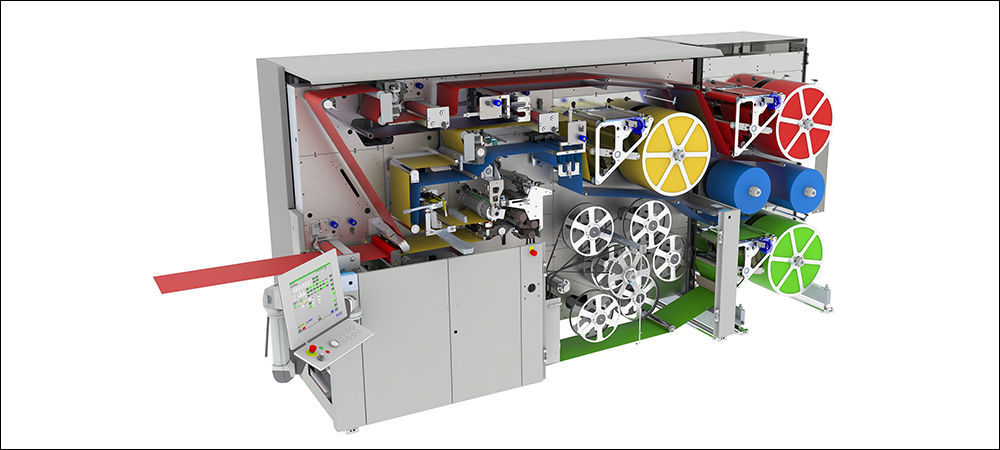
Nedap upgrades RFID portfolio with latest OSDP standard; Matik distributes RFID converting machine from MELZER; Kit Check RFID platform adds sanitization feature; CEA-Leti investigates 6G wireless networks in millimeter-wave bands; Industrial Internet Consortium publishes IoT digital transformation white paper; YoSmart integrates Semtech LoRa devices into smart-home IoT products.

RFID Journal held a webinar yesterday highlighting two Best New Product finalists for the 2020 RFID Journal Awards; the presentation is now available for online viewing.
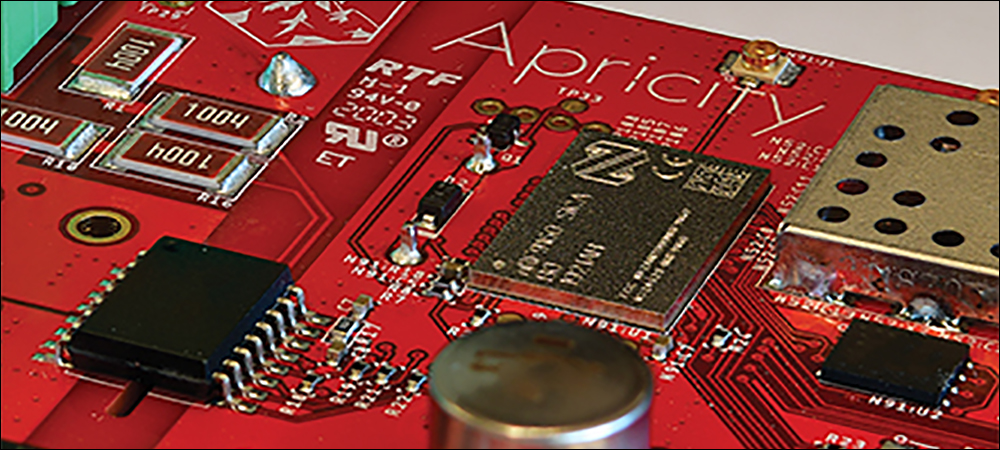
A wireless solution from Apricity allows companies like Portland General Electric to capture data from residential water heaters, and to remotely turn them on and off according to temperatures and peak demands, using narrowband IoT and Cellular LTE-M.
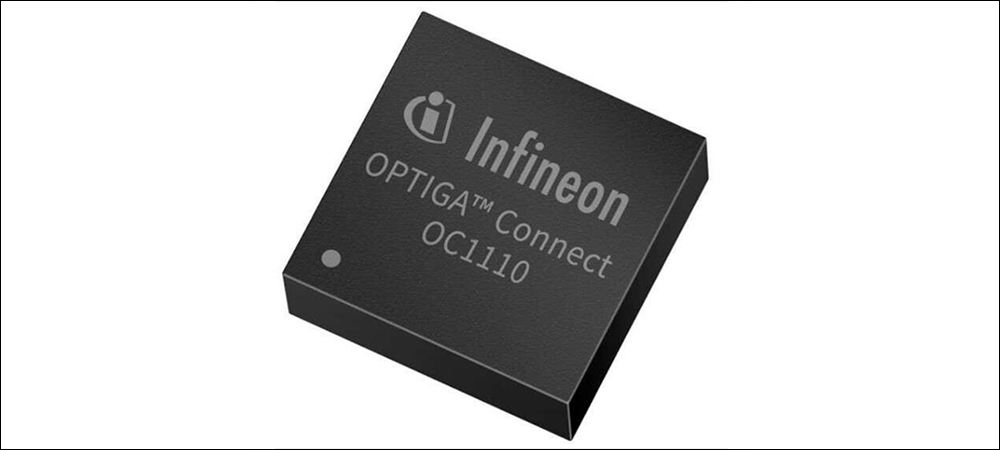
The system offers pre-integrated network coverage in more than 200 countries and territories.

From tracking employees’ movements to monitoring proper hand hygiene, RFID technology is awash with possibilities for reducing the risk of future COVID-19 infections.
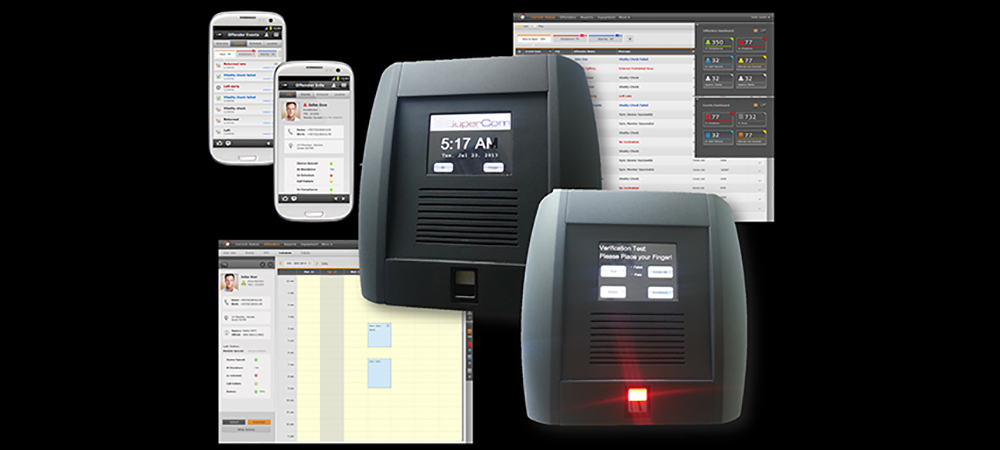
SuperCom is preparing to ramp up manufacturing as corrections departments around the world request support related to the early release of inmates, while two entities are piloting an Internet of Things-based ankle device and a secure smartphone designed for quarantine and virus containment.