
by Rich Handley | Aug 18, 2020 | News
Nothingbutnet is providing a social-distancing-based premium version of its real-time location system for sports, as well as for offices or factories, that leverages Bluetooth Low Energy technology from Quuppa.

by Rich Handley | Aug 17, 2020 | Editor's Views
The nation is poised to require all of its citizens to obtain electronic passports with embedded RFID technology by next year. Could other countries follow this example?

by Rich Handley | Aug 17, 2020 | News
Dutch technology startup Aura Aware has designed and built a counter-top device leveraging STMicroelectronics technology to identify when customers are too close to a counter and illuminate a warning for them to take a step back.

by Rich Handley | Aug 16, 2020 | Expert Views
The Internet of Things is changing how athletes practice and perform sports, and how spectators interact with them.

by Rich Handley | Aug 14, 2020 | News
Travelers arriving at Brussels Airport can view the location of their RFID-tagged luggage as it is routed onto baggage carrousels for pickup.

by Rich Handley | Aug 13, 2020 | News
Feig Electronics intros new RFID reader terminal; Sectigo, ReFirm Labs help OEMs detect IoT firmware vulnerabilities; Telit unveils IoT-as-a-service subscription plans; WISeKey IoT early-warning system helps to prevent COVID-19 spread; ToP Tunniste, Fentec Partners unite to develop RFID solutions; SimplyRFID releases how-to guide for RFID-based inventory counts.

by Rich Handley | Aug 12, 2020 | News
The company has invested in the technology so it can accommodate customers interested in automating the distribution of their goods efficiently and safely.
by Rich Handley | Aug 11, 2020 | News
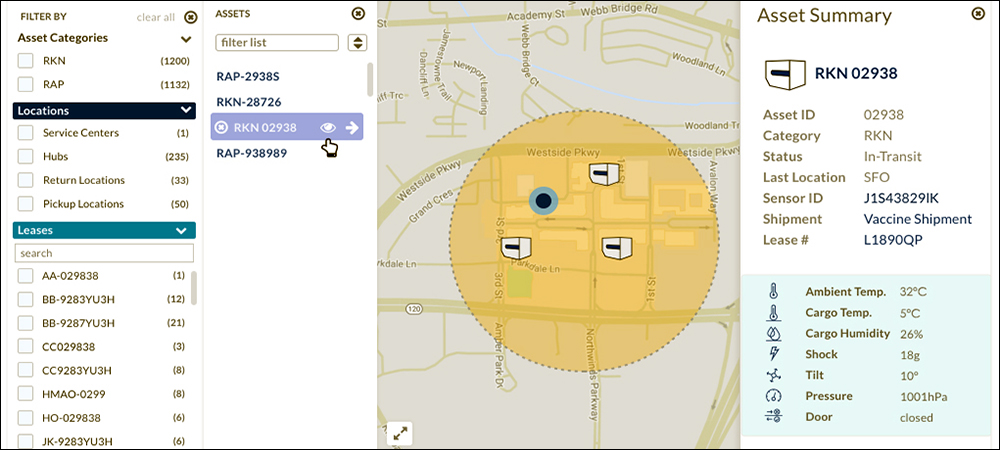
CSafe Global has partnered with Cloudleaf to build Internet of Things sensors into its temperature-controlled containers so that life science companies and shippers can view and manage temperatures and other conditions during global shipments.

by Rich Handley | Aug 10, 2020 | News
A solution deployed by Anjos Baby provides 100 percent accuracy in the delivery of its products to retailers, and at a lower cost.

by Rich Handley | Aug 8, 2020 | Expert Views
With the right use and research, artificial intelligence and the Internet of Things could create a safer world for us all.