by Rich Handley | Nov 27, 2020 | News
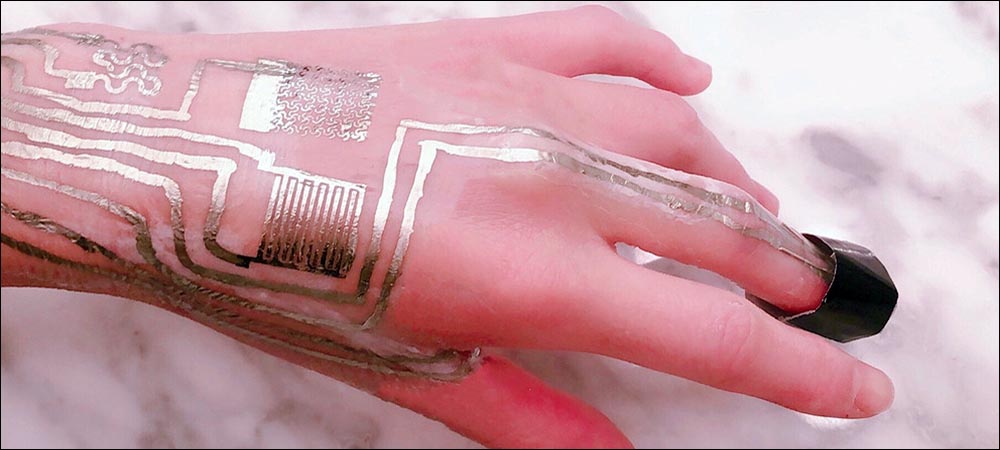
The technology, developed at Penn State University, consists of a sensor array that can be applied to a substrate at low temperature and dissolve in warm water, along with an NFC or other wireless transmission module, to transmit data collected by sensors, such as temperature, heart rate or blood-oxygen levels.
by Rich Handley | Nov 26, 2020 | News
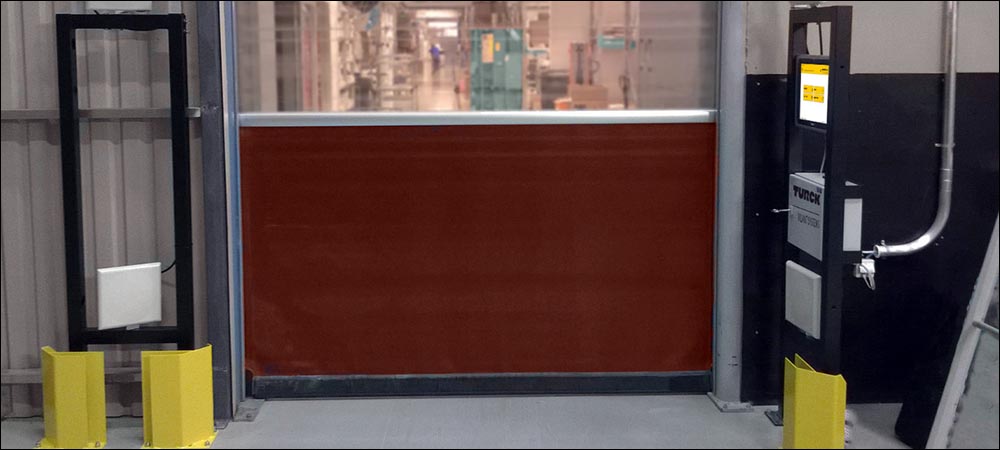
The new UHF reader gate is already in use by European manufacturers and logistics providers to identify which tagged goods move through dock doors or pass on conveyors to or through an assembly site.

by Rich Handley | Nov 25, 2020 | Editor's Views
Thanks to radio frequency identification technology, production recently resumed on a film set during the COVID-19 pandemic, and not a single person got sick.

by Rich Handley | Nov 25, 2020 | News
A UHF RFID system, designed to enable electronic article surveillance, inventory management and logistics, enables Herno to view the status of its goods at each store, while maintaining an aesthetic that focuses on products rather than technology.
by Rich Handley | Nov 24, 2020 | News
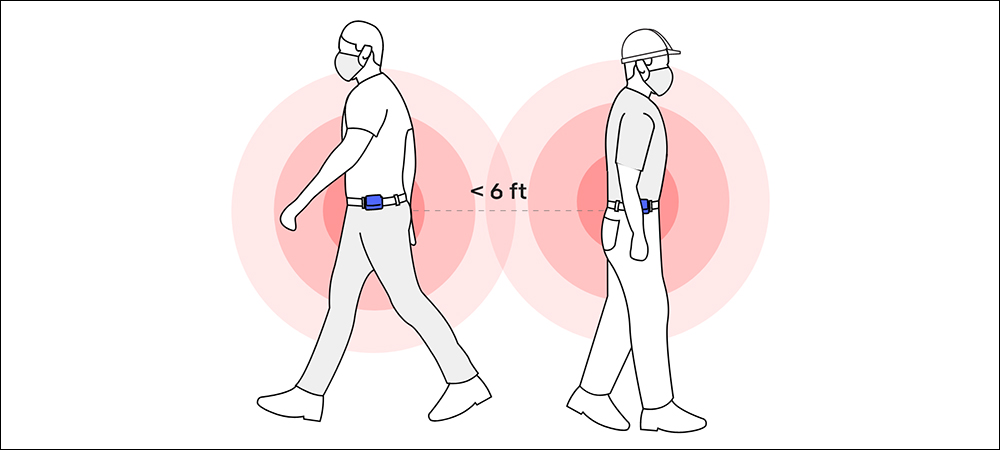
Kinetic’s Reflex technology for monitoring workers’ movements to prevent injuries can now track social distancing and provide contact tracing via BLE at construction sites, warehouses and factories.

by Rich Handley | Nov 22, 2020 | Expert Views
What physical specifications play a role in integrating card readers?
by Rich Handley | Nov 20, 2020 | News
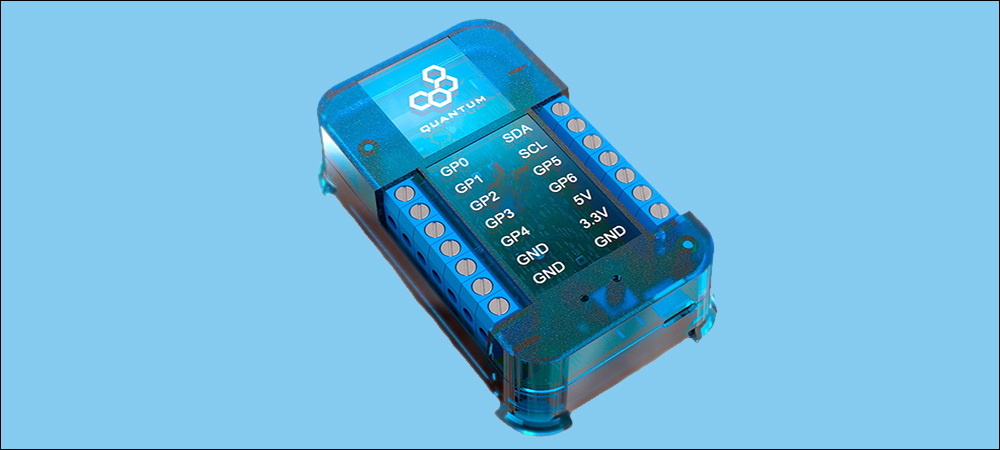
Quantum Integration is preparing a shipment of starter bundles for easy Internet of Things development, to enable everyone from students to systems integrators to build IoT systems for homes or businesses.
by Rich Handley | Nov 19, 2020 | News
TSC Printronix Auto ID upgrades RFID-barcode label printers; STMicroelectronics, Qualcomm partner on IoT sensor solutions; JADAK releases secure RFID module for medical use; LoRa Alliance publishes latest LoRaWAN IoT regional parameters; 1oT partners with TeamViewer, Teltonika Networks; AMANDA Stakeholder Group develops autonomous smart cards; NiceLabel launches public cloud solution for regulated companies.
by Rich Handley | Nov 18, 2020 | News
Although many survey respondents were unfamiliar with the term ‘NFC,’ a large percentage indicated they use the technology for payments nearly every day, and that the experience is mostly positive, paving the way for more applications.
by Rich Handley | Nov 17, 2020 | News
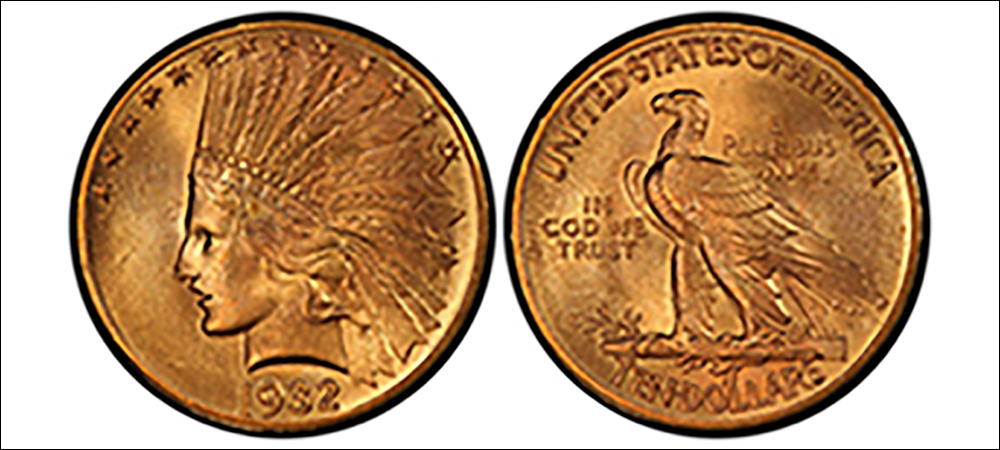
Collectors Universe is offering an HID Global service for the collectibles it authenticates, grades and certifies, starting with coins and bank notes, and it can also provide content via smartphones.