
Post-COVID, Manufacturers Revise Technology and Workforce Strategies
Companies must maintain a dual focus to remain resilient and competitive.

Companies must maintain a dual focus to remain resilient and competitive.

A book by Pamela Zelbst and Victor Sower, now in its third edition, is designed to help readers with no knowledge of radio frequency identification technology develop a basic understanding of RFID’s applications for supply chains and operations.
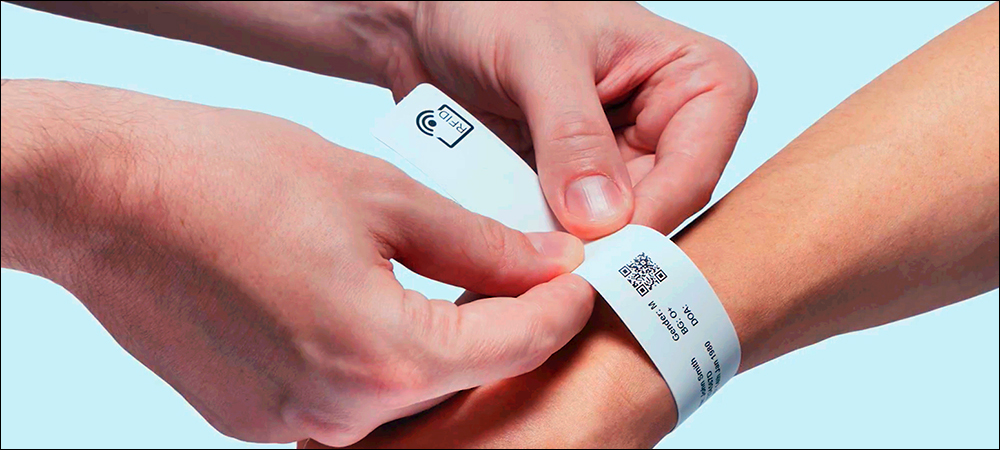
SATO’s UHF RFID direct thermal wristband is designed to be printed and encoded at a healthcare facility as a patient is admitted, for automatic identification from a distance of about 6 feet, or for tracking movements via fixed RFID reader portals.
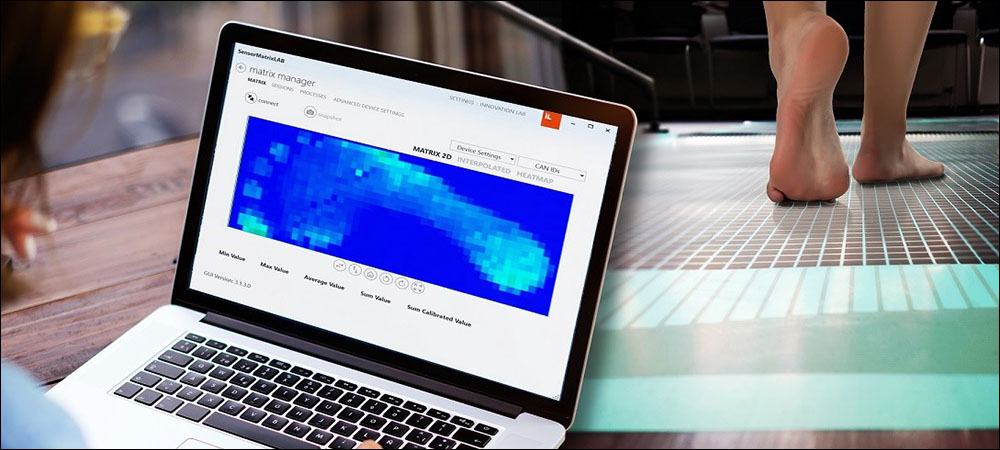
STid offers multi-tech reader for car park access control; Newave Sensor Solutions, Smart Label Solutions extend partnership; Thingy IOT, Senet partner on LoRaWAN solutions for wildfires, air quality; Wind River supports Intel processors for IoT applications; Essence Group launches IoT-based intruder-prevention system; InnovationLab unveils software package for printed sensors.

ISBC is expanding its RFID paper solution to include a variety of qualities and layouts, to enable printers to print and cut NFC-enabled versions of the products they sell, such as business cards, fliers, tickets, badges and fortune cookies.
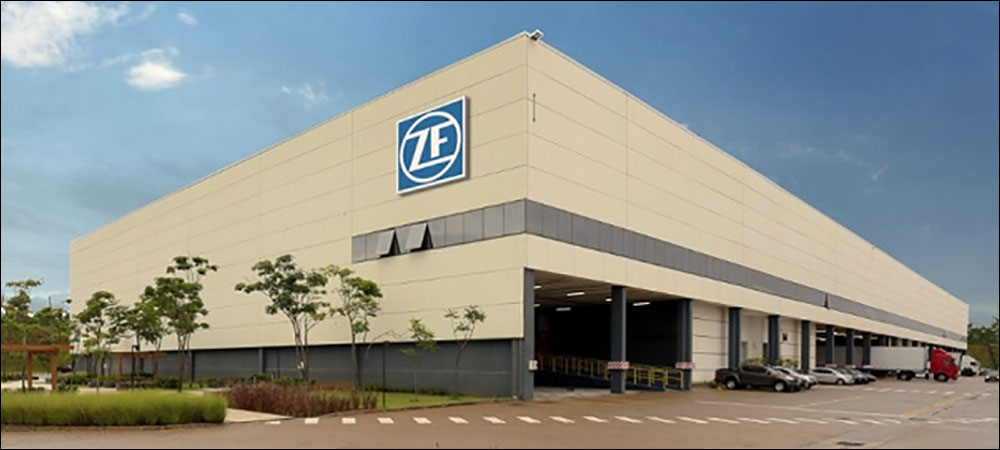
Mobility technology company ZF Aftermarket has improved its performance and efficiency using tags provided by Avery Dennison Smartrac.

In May 2022, RFID Journal will host its 20th annual RFID Journal LIVE! conference, marking 20 years of serving companies seeking to benefit from RFID technologies, as well as those selling solutions.
Novelda has built a general-use system-on-a-chip based on the UWB sensors used in laptops, to detect the presence of individuals at preset distances, as well as identify motions as small as breath and heartbeats.

To foster the digital transformation brought on by the Internet of Things, it’s vital to analyze new technologies and understand their potential and their inherent risks.

Customers at two new retail locations will be able to skip checkout lines thanks to a solution that combines computer vision, sensor fusion and deep learning.