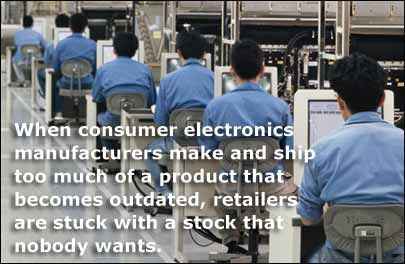
The Buzz in Consumer Electronics
By enabling companies to react quickly to sudden changes in demand for new products, RFID adoption in the consumer electronics supply chain could benefit manufacturers as well as retailers.

By enabling companies to react quickly to sudden changes in demand for new products, RFID adoption in the consumer electronics supply chain could benefit manufacturers as well as retailers.

There’s a huge return on investment in RFID if it can be used to solve the $69 billion problem.

The semiconductor firm says it has developed a Gen 2 chip and is working with partnering companies to develop Gen 2 tags and readers.
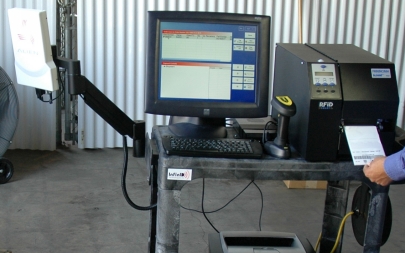
Using the company’s own software and a variety of hardware components, EZ-EPC is designed to get tagging operations up and running.
Sirit signs multiyear tollway contract; WJ offers open source software; VF Corp. picks Monarch products; RSI ID enabled for tag manufacturing.
The debate surrounding RFID-tagged passports is growing more intense as the United States nears introduction of the new technology.

Regulators and legislators toss the ball to retailers, who are at last
ready to run with it.

Delta and Boeing plan to test RFID tags on aircraft engines in July to see if they can withstand extreme heat, cold and vibration.
At a meeting of the ATA being held today, Boeing and Airbus will propose amending the specification for tagging airplane parts.
XXX