Why RFID Tag Counterfeiting is Unlikely
A recent piece in AIM Global analyzes the feasibility of RFID tag counterfeiting, concluding that it would be so problematic for the would-be counterfeiter as to render the proposition unattractive.

A recent piece in AIM Global analyzes the feasibility of RFID tag counterfeiting, concluding that it would be so problematic for the would-be counterfeiter as to render the proposition unattractive.
Omron announces three RFID starter kits; Reva offers SLRRP open source code; Microsoft names RFID hardware partners, demos RFID capability; report points to significant five-year growth in Chinese RFID market; Thompson joins VeriChip’s board.
IDTechEx, host of the recent Smart Labels USA conference yesterday published a recap of the event. Highlighted in this article are the key take-aways and factoids from presentations and the trade show floor.
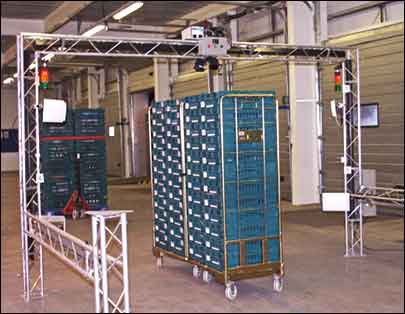
The U.K. RFID systems integrator joins forces with hardware makers Philips, Rafsec and Feig to provide portal systems specifically for retail and automotive supply chains.
Before approving the proposed Identity Information Protection Act, the state’s Assembly Judiciary Committee replaced prohibitions with a three-year moratorium on RFID use in some IDs.
Many RFID Update readers responded with an unshaken confidence in RFID’s potential to yesterday’s coverage of VDC’s bearish article on the short-term RFID market.
Venture Development Corporation authored an article whose sobering thesis was that the hype surrounding RFID had produced dramatic overestimations about the near-term market’s growth potential.
Regulators in India recently designated 865-867 MHz as the country’s UHF RFID spectrum, in line with the frequencies used by the United States and Europe.

For RFID to have real value, you’ll need to address certain critical issues, both before and after its implementation.

The best course of action would be for the bill to be shelved and for the RFID industry to address concerns about using RFID transponders in government-issued documents.