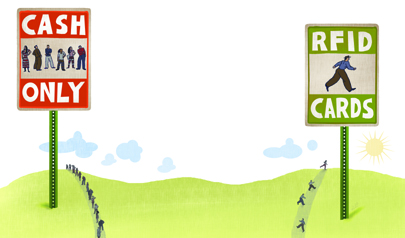
The Cashless Reality
RFID payment systems might not spell the end of notes and coins, but they could transform consumers’ spending habits and open new opportunities for companies.

RFID payment systems might not spell the end of notes and coins, but they could transform consumers’ spending habits and open new opportunities for companies.
3M, maker of such household brands as Scotch tape and Post-it notes, last month announced that it had been awarded a five-year contract from the U.S. General Services Administration (GSA) for 3M RFID File Tracking Systems.
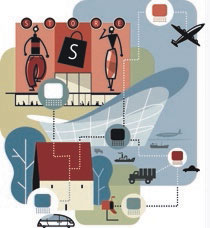
Logistics providers are a key link between manufacturers and stores. RFID could help them speed deliveries, improve the flow of information and secure the supply chain.

Typically, our Perspective section provides insights on issues making news—or noise—in the RFID market. But it’s also important to provide an understanding of issues being ignored. Right now, the big issue not making big news is supply chain security.

Intellectual property remains a concern among end users, but some vendors are formulating strategies for dealing with it.

The use of RFID payment systems falls somewhere between tomorrow’s promise and today’s reality.

Katherine Albrecht, a vocal opponent of RFID technologies, will publish Spychips: How Major Corporations and Government Plan to Track Your Every Move with RFID this fall.

Radio frequency identification is an infrastructure technology, and that’s why so many people have failed to grasp its importance—and see where the ROI is.

The U.S. International Trade Commission will investigate claims that Symbol is engaging in unfair trade practices by importing handheld devices that infringe on Intermec’s patents.

Gulf States Toyota deployed a real-time locating system to make the process of installing optional car equipment more efficient—cutting costs and improving customer service.