Rafsec Announces Sub 10-cent Gen2 Inlays
RFID inlay manufacturer UPM Rafsec yesterday announced the availability of Gen1 and Gen2 inlays at sub-10 cent pricing in quantities of 50,000 or more.

RFID inlay manufacturer UPM Rafsec yesterday announced the availability of Gen1 and Gen2 inlays at sub-10 cent pricing in quantities of 50,000 or more.
Backed by commercial and government funding, the facility will focus initially on the nation’s retail, produce and consumer packaged goods industries.
A new RFID facility will provide a clearinghouse for the university’s varied research and technology development around RFID.
With 2005 and 2006 order books for EPC Gen 2 products filling up, vendors throughout the RFID supply chains are working together to ensure the reliability of high-volume supplies. This guest article from ABI Research’s Erik Michielsen asserts that such collaboration is key to the greater industry’s success.
Senator Simitian’s RFID privacy bill, now SB 768, will move to the full California State Assembly for consideration next year.

Australia’s Patties Foods is preparing to test the use of passive UHF RFID tags to track its frozen fare.
RFID reader manufacturer AWID today announced the availability of a Gen2 reader, complete with four antennas, for $1,000. The low price represents a 70% drop when compared to prices of similar hardware available on the market.
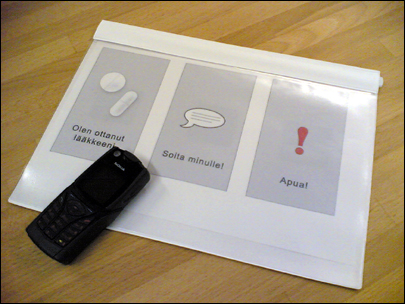
The Finnish company combines RFID and cellular phone technology to help make sure Alzheimer’s patients take the drugs they need.

A Danish startup is developing an RFID system that uses a zero-knowledge authentication protocol to protect consumer privacy, while allowing an item’s tag to remain alive.
Much has been written discussing the difficulties of implementing EPC passive RFID tags in the supply chain, so this article will attempt to present a viable new use for these tags in an old and seemingly forgotten application: fixed asset management.