
UPM Keeps Its Eye on RFID
Now part of UPM’s Raflatac label-stock division, the company formerly known as Rafsec says it retains its commitment to meet the global demand for low-cost inlays and tags.

Now part of UPM’s Raflatac label-stock division, the company formerly known as Rafsec says it retains its commitment to meet the global demand for low-cost inlays and tags.

How do you achieve flawless read performance from your RFID system? By making sure it interrogates only one tag at a time.

RFID Journal LIVE! will include a golf outing to raise money for the Mike Sullivan Memorial Scholarship.

The German pharmaceutical and chemical company is partnering with the Technical University of Darmstadt to develop printable RFID chips based on inorganic materials.
Research firm IDTechEx has released the 2006 version of its annual comprehensive report on the RFID market. The report makes strong predictions for most of the RFID market segments, with significant ramp-up occurring in the next few years. This article from outlines the highlights.
The aim is to educate attendees about RFID’s potential in a variety of areas.
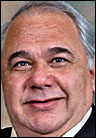
Stav Prodromou, CEO of Alien Technology, says declining tag prices are making it possible for companies to achieve a return on investment for more and more applications.
This week has seen a handful of stories about RFID’s steady and global march into the pharmaceutical, retail, and library management sectors. This article from recaps the developments.
The consumer packaged goods manufacturer is using Alien’s ALR-9800 interrogator in its RFID tagging system after picking it from a test group of other Gen 2-compliant machines.
This is the second article in a four-part series from Dennis Báthory-Kitsz, who predicts that this year will be the one RFID vanishes. This article considers pharma, vertical applications, the RFID business case, and the demise of “mandate psychology”.