
Wisconsin Bill to Ban Coerced Chip Implants
The state’s legislative branch passed a bill banning anyone from implanting RFID microchips into people without their consent.

The state’s legislative branch passed a bill banning anyone from implanting RFID microchips into people without their consent.
The Center for Democracy and Technology announced guidelines for the responsible use of the technology and the data collection it enables.

Altria’s Jim Noble said the company has its eyes on item-level tagging. He and FedEx’s Kevin Humphries stressed the need for technology standards to enable widely deployed RFID applications.

The third-party logistics provider is upgrading its use of RFID to allow customers—including many Wal-Mart suppliers—to make their services more comprehensive and cost-effective.
In an effort to continue its phased requirement for RFID utilization by suppliers, Wal-Mart last week hosted the Wal-Mart Supplier On-Boarding Forum & EPCglobal US Tech Expo. The event offered the “next 300” Wal-Mart suppliers insight into what it means to be RFID compliant. This guest article from ODIN technologies’ Michelle Reilly recaps.

In a study involving Wal-Mart, Gillette and Kimberly-Clark, researchers find real financial benefits to deploying RFID EPC technology.
The company is rolling out its first Gen 2 inlays, launching a line of asset tags and starting a certified converter program.

The generic drugmaker says it will soon begin using Gen 2 tags, first for manual tagging and then, by year’s end, in its production line.
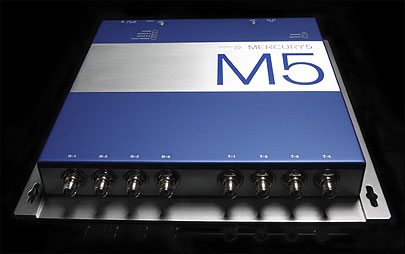
The new interrogator offers the same functions as the Mercury4, plus added interference filtering.

The Israeli company has announced it will sell Gen 2 EPC inlays for 5 cents apiece in volumes of 100 million or more, and that it plans to go public.