Westgate Logistics Focuses on RFID
To meet the needs of Colgate-Palmolive, Target and other customers, the Australian company seeks to be at the forefront of the testing and implementation of the technology.

To meet the needs of Colgate-Palmolive, Target and other customers, the Australian company seeks to be at the forefront of the testing and implementation of the technology.
Custom RFID solutions provider Northern Apex has announced its work with S2C Global Systems to add core RFID capabilities to S2C’s forthcoming Aquaduct water jug dispensing and return system. RFID capabilities were a necessary feature of the Aquaduct, which S2C hopes to roll out by the thousands around North America.

A European report presents an objective view of privacy issues, and AIM Global launches a new educational effort.

In a survey by the Aberdeen Group, 57 percent of respondents said the need to manage WIP is the top driver for RFID adoption, while 41 percent cited managing raw materials.

The SAFETY Act could protect companies that sell or use RFID anti-terror solutions from tort liability.
GS1 Germany, along with a number of key RFID end users, has officially established the EPC Competence Center in Neuss, Germany. The center, dubbed EECC, is meant to foster the adoption of EPC-based RFID technology throughout Germany by offering technology testing and training services.
Microsoft announces BizTalk R2 pricing, new edition; Avery Dennison adds three inlays to portfolio; 3M unveils new utility marker tags; BT Auto-ID releases “Lite” package for pilots; National Institute for Animal Agriculture conference offers KSU RFID Technology Tour; German ID manufacturer, research institute partnering on development lab; HP, Nantero developing printable tag technology.
3M introduced new RFID tags designed to be buried for identifying underground assets. The new tags use the same frequencies as traditional marker detection systems, but allow users to identify, rather than detect, underground objects and to update data on the tag.
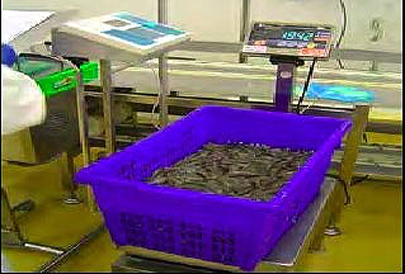
The technology helps the companies reduce labor costs and improve the ability to trace the foods’ origin and processing in the event of a product recall.
California-based think tank PRI this week released a primer on RFID, privacy, and government efforts at legislation of the technology. The 11-page report is a worthy and concise wrap-up of the issues surrounding privacy and RFID. This article provides a recap.