The E-Pedigree Stalemate
Drug manufacturers want to use serialized bar codes to comply with e-pedigree laws, but distributors and retailers prefer RFID.

Drug manufacturers want to use serialized bar codes to comply with e-pedigree laws, but distributors and retailers prefer RFID.
See-mi’s RFID system could reduce bicycle accidents. The “cyclist warning” display, which is mounted on traffic lights, flashes to alert drivers that there are riders in their path.
Brent Dallman, an entrepreneur and inventor, has developed an RFID storage system that could improve patient safety in hospitals.
The FDA and the European Commission are each seeking input on technologies and methods for pharmaceutical serialization and tracking. The FDA is required to develop track-and-trace identification and technology standards, while the EC is broadly reviewing options to improve the drug supply chain.

The elimination of the listen-before-talk protocol in Europe and Japan will help dense-reader mode RFID systems—if companies protect their backscatter.

As some European companies shift from trials to deployment, they’re developing a corporate plan for RFID adoption.

What does the story of another low-power, low-cost radio standard tell us about the future of RFID?

Kazakhstan and Lithuanian customs officials are using electronic seals to ensure truck cargo doors are not opened en route.
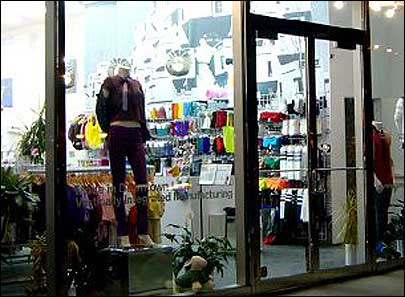
The retailer has already adopted item-level tagging at its Columbia University store, and expects to RFID-enable its 16 other New York City locations during the next three months.